
Mechanical Automation Engineer
The question many blending plants are asking is no longer if virgin base oil will tighten, but they want to know what actions to take about the impending 2026 base oil shortage.
The short answer:
The supply of virgin base oil suffers from permanent reduction while demand remains constant, and re-refined base oil now becomes a main product instead of a secondary option.
The transformation has already begun. The businesses that implement early changes will achieve better profit margins, together with more consistent business operations. The businesses that delay implementation will need to accept market prices without control.
What’s Causing the 2026 Virgin Base Oil Shortage?
This isn’t about one refinery outage or a temporary logistics issue. The shortage is structural.
Within the last five years, base oil production capacity worldwide has quietly shrunk. Facilities have closed or switched over, but they have not expanded. Disappearing the fastest are the Group I refineries. Even the expansion of Group II refineries has plateaued.
At the same time, fuel demand is flattening, especially in developed markets. Refineries are being used for fuels, petrochemicals, or are shut down. Base oil is no longer a strategic product for refineries.
Addition to this:
- Stricter emissions regulations
- Higher operating costs
- Aging refinery assets
- Geopolitical supply risks
The result is predictable: less virgin base oil, higher volatility, and less contract reliability.
Why Blending Plants Will Take the First Hit?
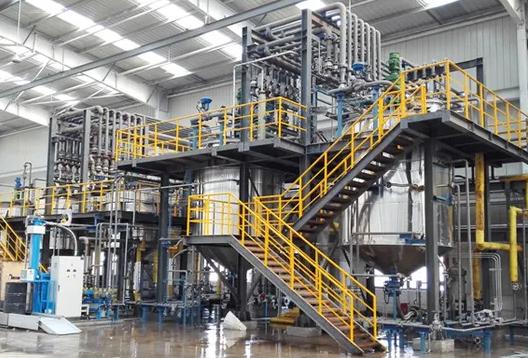
Blending stocks are exposed by design. They rely on their upstream suppliers but must provide their own downstream commitment.
When the supply of virgin base oil is tight, they have no buffer.
Refiners will look after their biggest and most strategic customers. The small and independent blenders can expect a reduction in contract volumes, a delay in delivery, and an increase in spot prices. Even long-term relationships won’t help the blenders in a short market.
The biggest risk is not the cost; it is the uncertainty. Without a dependable supply of base oil, production planning is impossible, outcomes fluctuate, and customer needs become leverage points. That is why the blending plants will feel the shortage before anyone else.
Why Re-refined Base Oil Has Crossed a Turning Point?
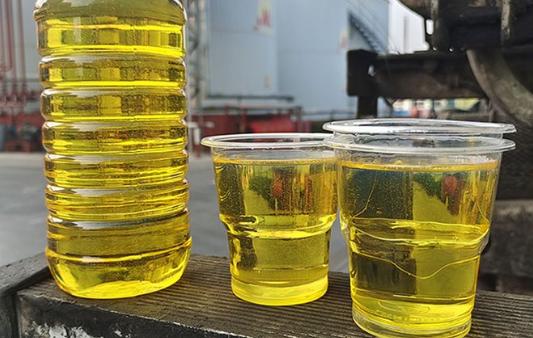
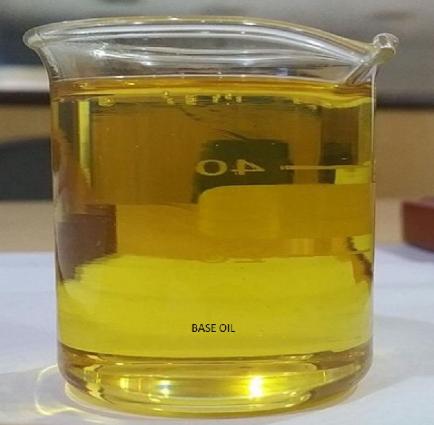
Re-refined base oil is no longer defined by what it used to be. Modern re-refining technology produces base oil that fits directly into mainstream blending operations. For many formulations, no redesign is needed. Performance consistency is no longer the main concern — supply security is.
The more important change is economic, not technical. Re-refined base oil supply does not depend on crude runs or refinery utilization. It depends on waste oil collection, which is stable and growing globally.
That decoupling makes re-refined oil inherently more resilient in a tight virgin market.
How the Supply Logic Has Quietly Flipped?
Blending plants used to compare re-refined oil against virgin oil on price alone.
That comparison no longer reflects reality.
| Issue | Virgin Base Oil | Re-refined Base Oil |
| Long-term availability | Declining | Expanding |
| Exposure to refinery closures | High | Low |
| Price volatility | High | Lower |
| Regulatory alignment | Weakening | Improving |
| Local sourcing potential | Limited | Strong |
This is why large blenders are increasing re-refined content year by year. Not for marketing reasons — for operational survival.
In a tight market, the cheapest barrel is the one you can actually secure.
What This Means for Blending Plants Right Now?
Blending plants must not wait until 2026 to respond. Those that do plan will win when it comes to availability, price volatility, and margin health. Planning early is demonstrated by three actions:
Firstly, validate your formulations with re-refined base oils today. With testing and gradual integration, any adjustments are no longer hurriedly made.
Second, establishing direct relationships with trustworthy re-refiners rather than relying on spot traders can address another gap. Having long-term contracts with trusted suppliers can provide stable supply and quality.
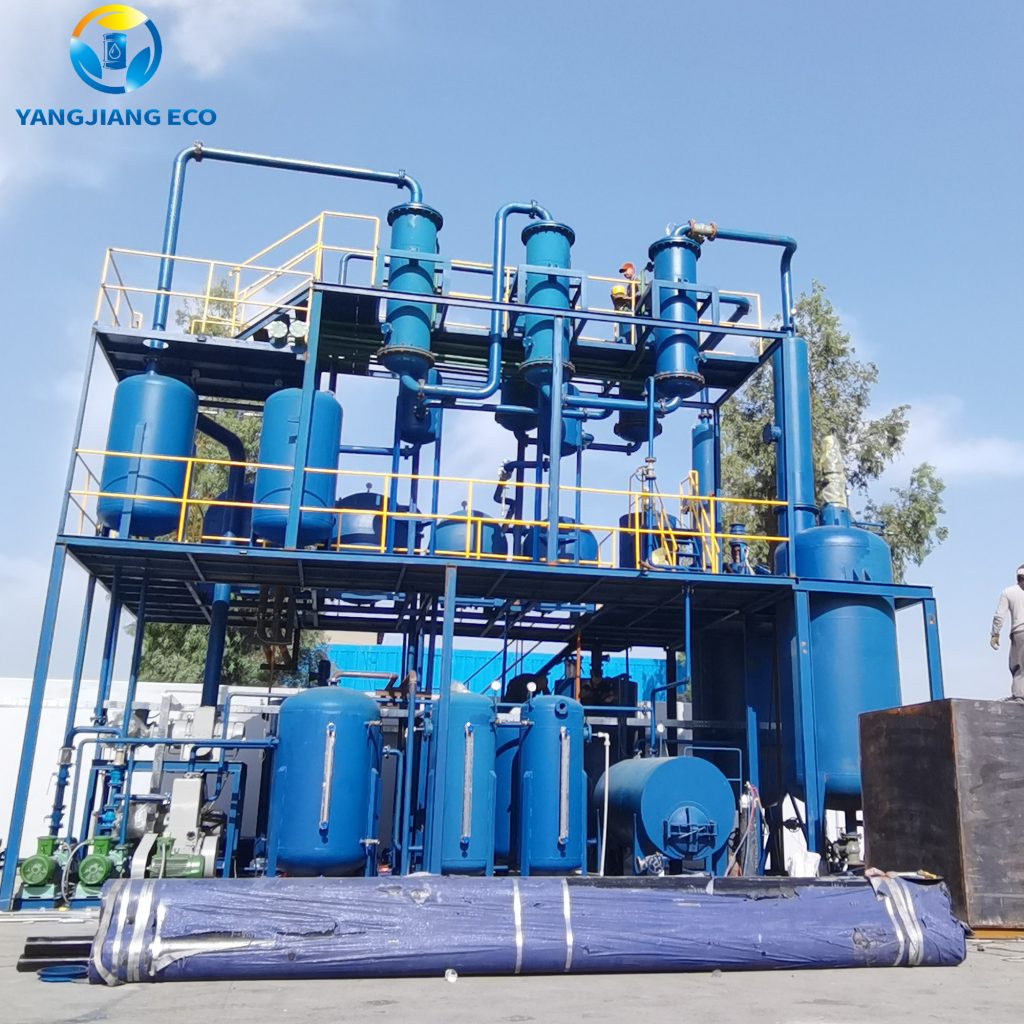
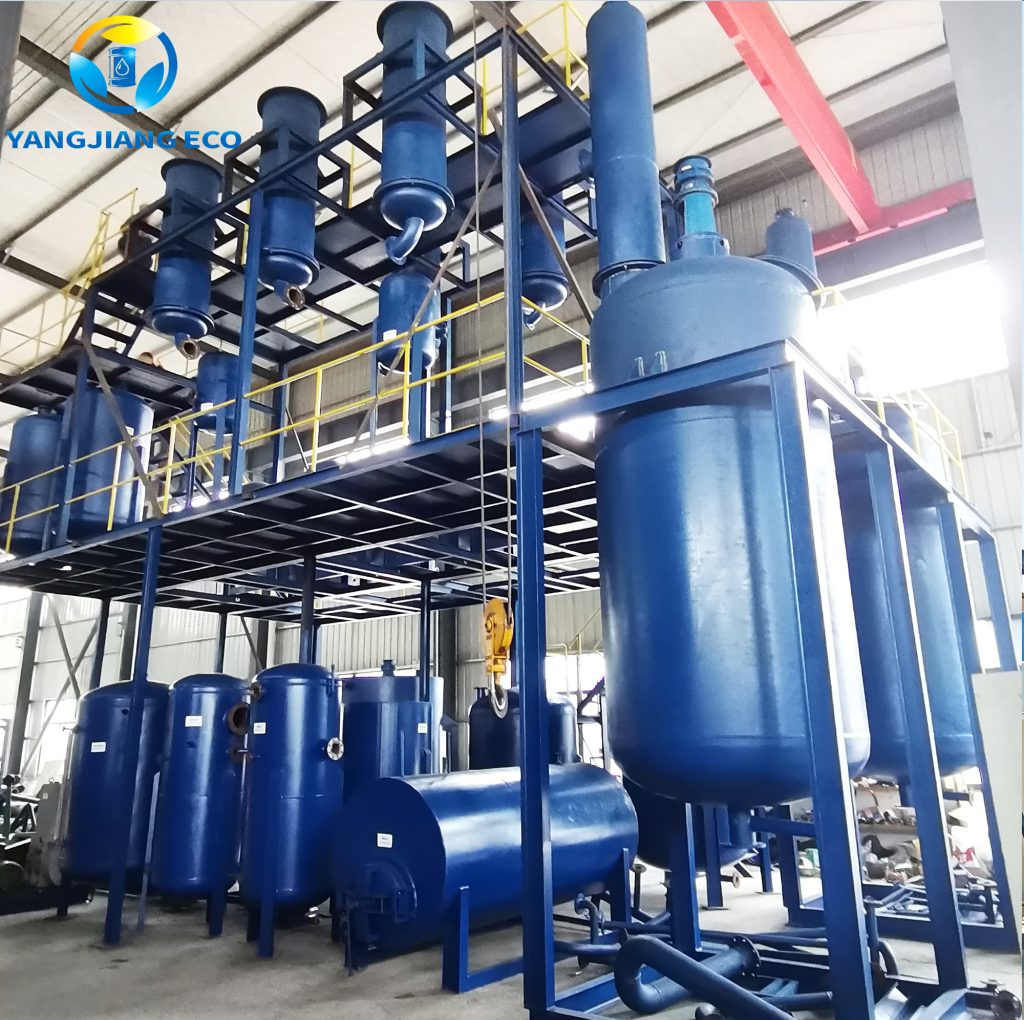
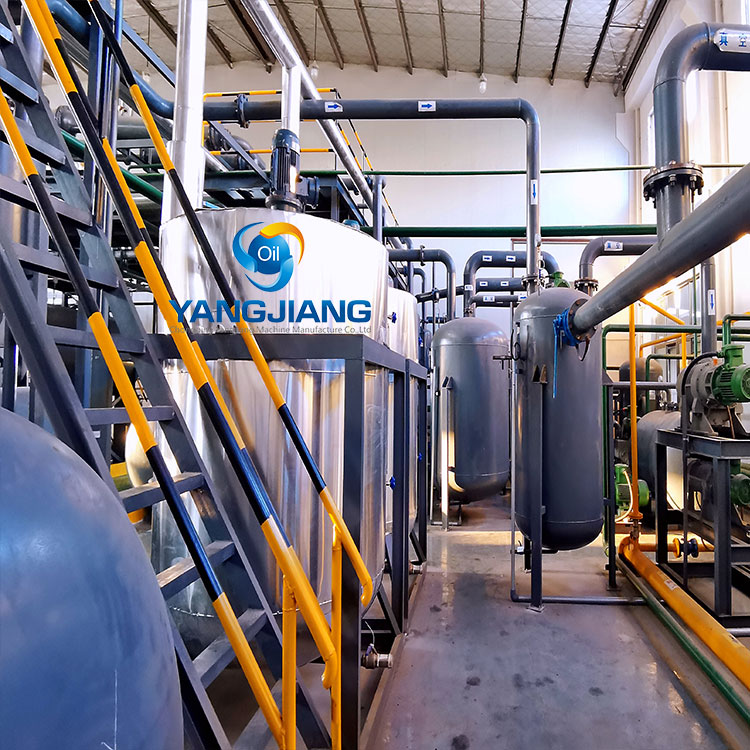
Third, you can also consider investing in in-house waste oil re-refining plant. By owning or co-owning a small, state-of-the-art waste oil re-refinery, you can look to utilize the waste oil you collect to produce secure base oil supplies for the future. This can help you hedge against rising virgin base oil cost scenarios, thus enhancing ESG profiles.
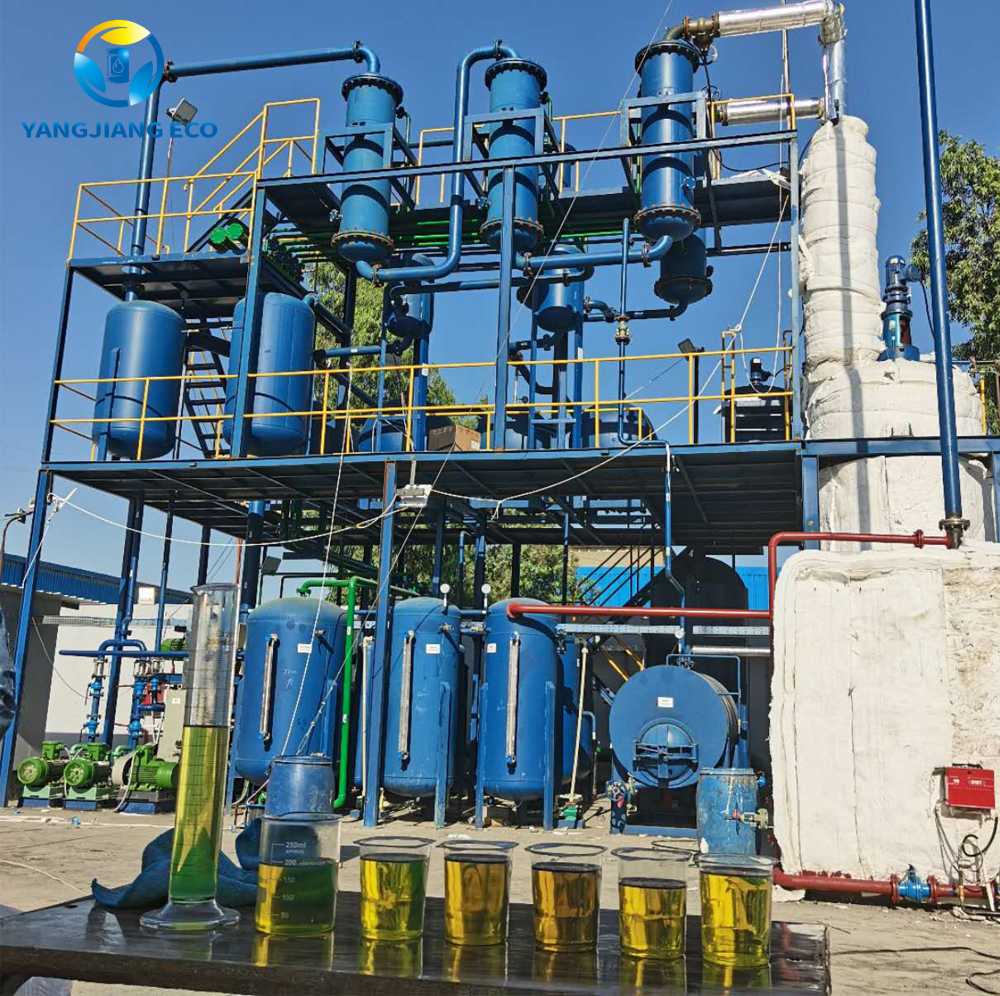
The bottom line here? A blend of plants that contains formulation readiness, securable supply contracts, and strategically invested re-refining positions a business ahead of the competition as it enters 2026 with real cost and continuity control in hand.
Final Answer: Why Re-refined Oil Becomes Primary Supply?
So why is re-refined oil rising as the principal source of blending plants’ supply?
Because of its declining supply. And while demand is not.
Because it has the scaling attribute, unlike virgin oil.
It’s not much further to 2026. The transition is already happening, silently but surely. The one true question is when to prepare for it, or whether to make adjustments later on under pressure.
If securing stable re-refined base oil supply is part of your 2026 plan, now is the time to talk about re-refining capacity — not when the market forces your hand.
Contact us to discuss how modern waste oil re-refining equipment can help you lock in base oil supply before the shortage becomes unavoidable.