
Mechanical Automation Engineer
For so long, the dialogue surrounding used motor oil centered on one thing: disposal. You called a disposal service, paid a price (or received a pittance in return), and they took your “problem” away. But as we enter 2026, the numbers have changed dramatically. The global tightening of supply chains and the rising price of virgin base oils have turned that “black waste” into a premium product. If you are still paying someone to take your used oil, you are not only losing money on the disposal charge—you are selling a product that is currently at an all-time high.
The question for 2026 is not whether recycling is effective, but whether the difference between the cost to produce a gallon of recycled base oil and the cost to purchase it from a distributor is wide enough to make the outlay for equipment worthwhile.
Breaking Down Your Real Costs in 2026
To determine whether recycling on-site is profitable, you have to understand what the traditional method is really costing you. Most people just look at the disposal bill, but that is only part of the equation.
- First, there is the cost of disposal per liter/gallon. This is not just a tipping fee. It includes transportation, hazardous waste fees, and taxes. As environmental regulations become more stringent, this cost is on a steady increase. You can expect to pay a lot more in 2026 than you did a couple of years ago.
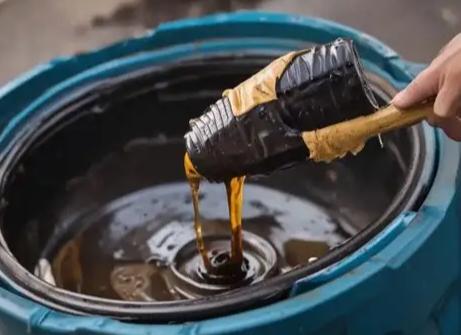
- But the bigger impact may come from the other side of that ledger: procurement. Every barrel of oil you procure has a price that fluctuates with the volatile nature of the international oil market. Tensions between nations, logistical snags, and refinery production levels can drive oil prices higher or lower on very short notice. If you’re entirely reliant on buying oil, you’re entirely at the mercy of these influences.
- Then there are the often-overlooked operational costs. How many hours will you spend juggling waste oil drums? How much space will you use storing them until they’re shipped off? How much administrative headaches will you face with compliance regulations? And what about the ever-present danger of a spill or infraction occurring during storage and transport? They’re not itemized on a bill, but they’re costs nonetheless.
What’s That Clean Oil Actually Worth?

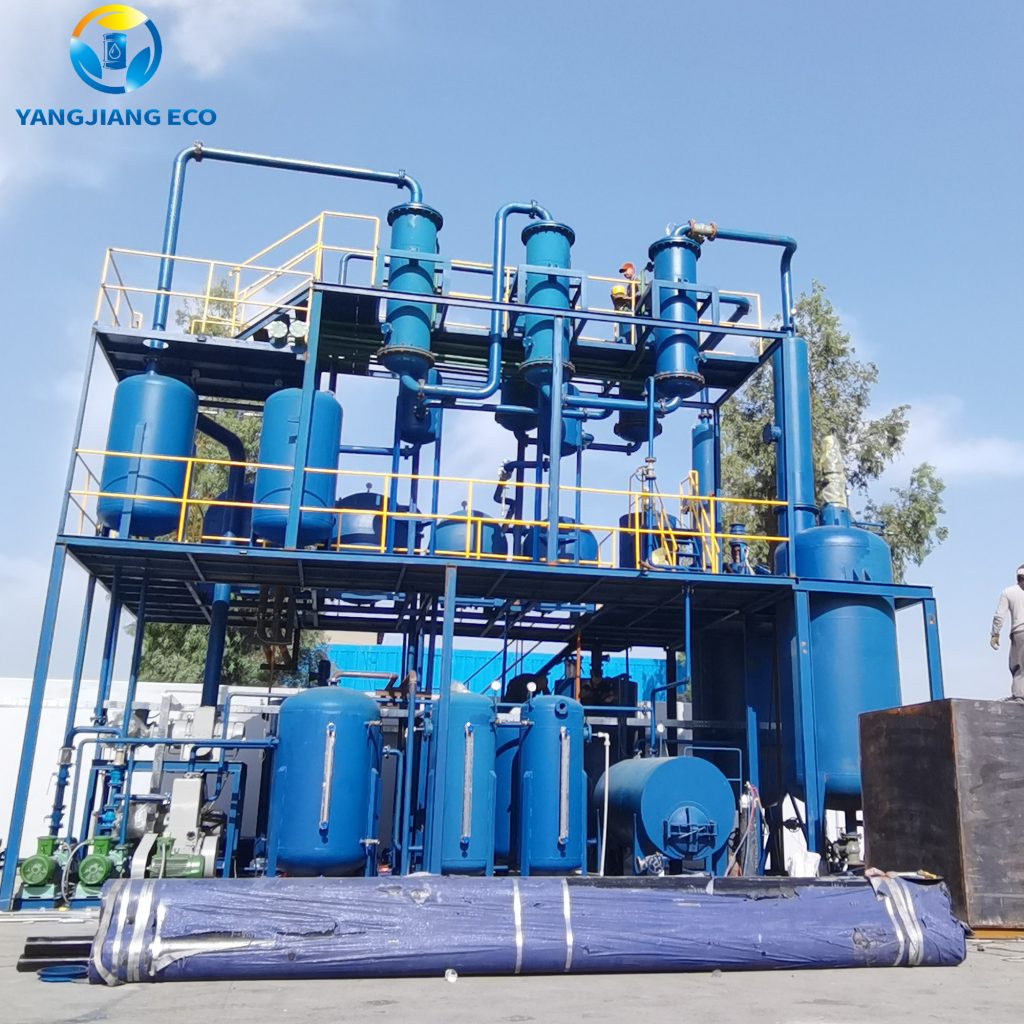
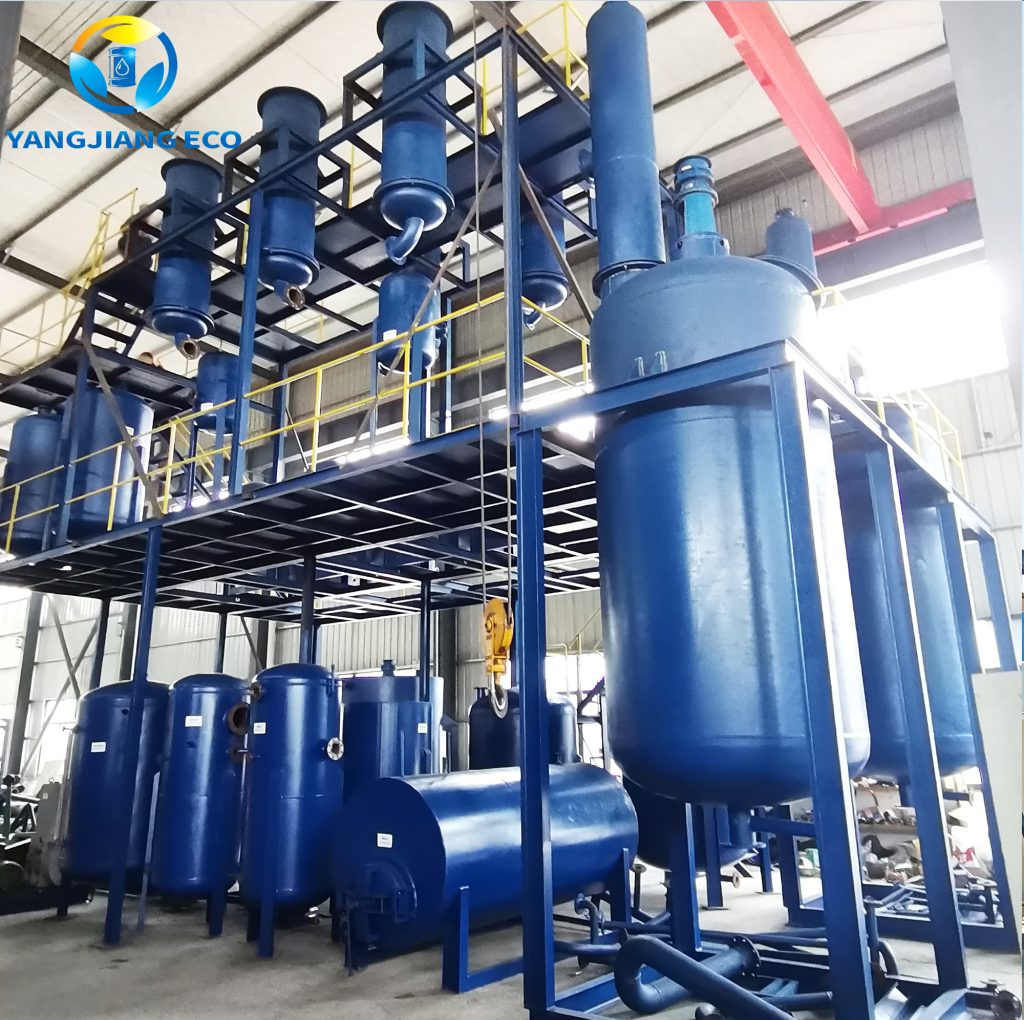
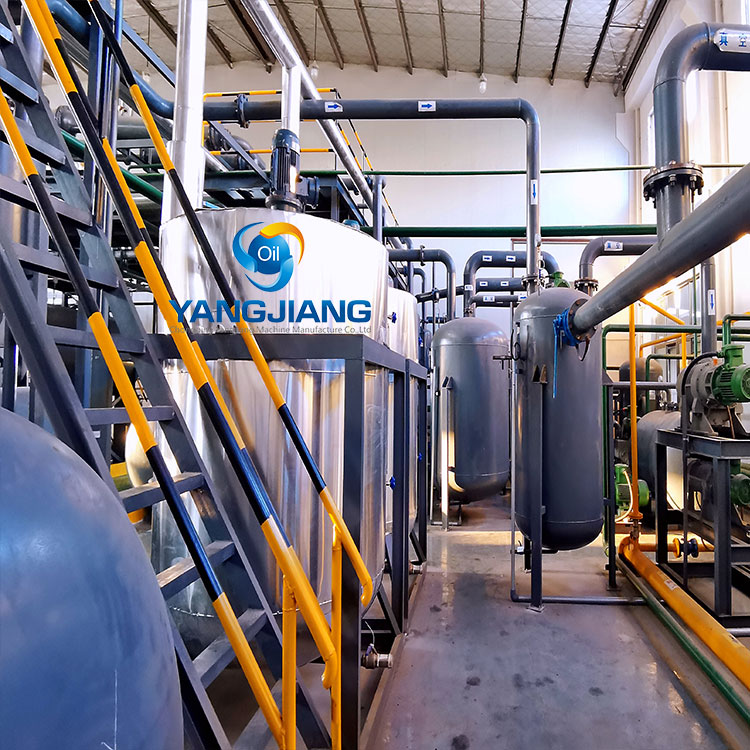
So, you’ve got a used motor oil recycling machine. What do you get? Your value depends on the quality of the market. Forget the old “filtered and burned” model. This stuff is dead. Today, re-refining technology can produce Group II specification base oil. This is a commodity that has actual market demand.
You won’t make the same price as the virgin crude-based stuff, but that’s beside the point. You’ve created a brand-new, dependable revenue stream from a waste stream. This isn’t a speculative play. This isn’t speculative; it’s about turning a constant expense (disposal) into a saleable commodity. Your profit lies in the differential between your fixed cost of processing and the price you sell it for. Add in the cost of disposal that you no longer have, and the differential gets even wider.
A Volume vs. Cost Snapshot
| Metric | Low-Volume Scenario (< 2,000 L/month) | High-Volume Scenario (> 8,000 L/month) |
| Per-Liter Disposal Cost | High (poor negotiation power, fixed fees dominate) | Lower (but total cash outflow is massive) |
| Recycling ROI Focus | Long payback period. May not justify capex. | Short payback period. Capex is quickly absorbed. |
| Operational Impact | Minimal. Stays a simple, outsourced cost. | Transformative. Creates a new production line. |
| 2026 Verdict | Likely not profitable. Keep auditing disposal contracts. | High profitability potential. The scale tips decisively. |
The table tells that volume is everything. If your flow is a trickle, recycling is an expensive science project. If it’s a steady stream, it becomes one of the most straightforward cost-saving and revenue-generating moves you can make this year.
Hidden Benefits You Can’t Ignore, Beyond Dollars and Cents
If the bottom line were simply a matter of direct dollars and cents, the choice would be easy but limited. The true value of on-site recycling in 2026 goes further.
Control and Security of Operations
You are no longer dependent on the hauler’s schedule or rate increases. You now control your own waste stream, transforming a problem into a regular part of your operation. This gives you control, and control gives you security. You know that you have a supply of base oil to meet your own lower-tier lubricant requirements.
The Green Brand That Actually Pays
Once upon a time, sustainability was a nice-to-have in a company brochure. Today, it’s a key business-to-business driver. Large manufacturers and good corporate citizens actively look for suppliers who have proven their circular economy credentials. It shows efficiency, responsibility, and forward thinking – all of which can swing the deal. It makes your environmental compliance a marketing advantage.
Is Used Motor Oil Recycling Machine Right for Your Operation?
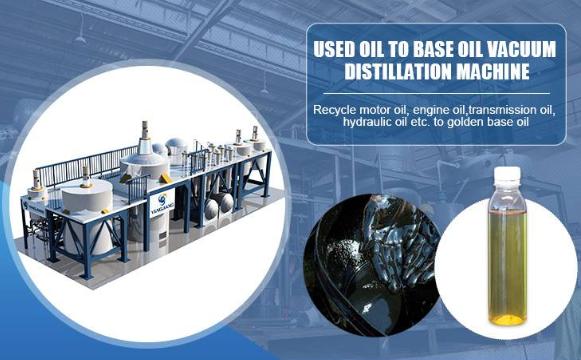
So, is used motor oil recycling machine profitable? The answer for the majority of medium to large-scale operations in 2026 is clearly yes. However, the how is up to you. The profitability will depend on a few key details of your business, including the amount of used oil you generate, the current cost of oil and disposal, and your business goals.
It is not a one-size-fits-all solution. The return on investment for the equipment purchase will vary anywhere from 18 to 36 months, depending on the rate of oil generation. The best way to determine profitability is to plug the numbers into the equations with the numbers for your business.
Tell us about your operation, and we’ll provide a free customized estimate for your 2026 Profitability Estimate. All you need to provide is some basic information: what type of oil you primarily use, your estimated annual oil consumption in liters or gallons, and what you currently pay per barrel/liter for disposal. We’ll take care of the rest.