
Mechanical Automation Engineer
Used engine oil isn’t just dirty — it’s a major environmental and legal headache if you dump it wrong. Waste motor oil can contaminate fresh water, foul soil, and harm wildlife. That’s why proper disposal and recycling matter.
Why You Must Handle Waste Engine Oil the Right Way
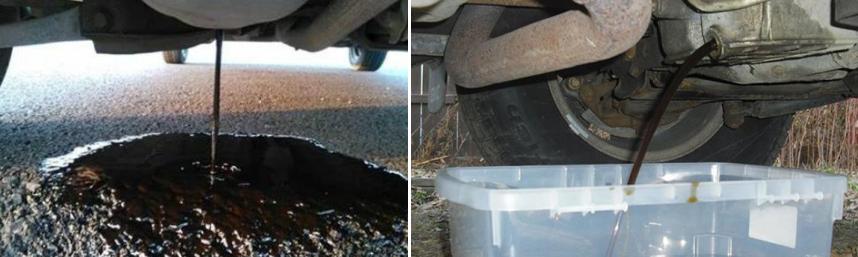
After changing the engine oil by yourself, don’t think that the oil you release is merely “used”. In fact, this oil contains heavy metals, combustion by-products, acids, and other toxic substances. These substances will not disappear into thin air – they will adhere to the soil, seep into groundwater, and eventually flow into rivers and lakes. If it is directly poured into the sewer or thrown into the trash can, it is equivalent to spreading pollutants.
There are three important reasons for treating used engine oil seriously:
- Leaking or improperly disposed of engine oil can contaminate soil and water sources, damaging the ecosystem and communities.
- In many places, it is prohibited to dispose of used oil in trash cans or on streets/through sewers. Penalties or enforcement actions are indeed in place.
- Used oil is not strictly considered waste. It can be cleaned and reused – this can save resources and energy (the energy required to recycle used oil is much lower than that needed to extract oil from crude oil).
In short, Discarding used engine oil is foolish and can be avoided.
Step-by-Step: How to Dispose of Used Engine Oil
Let’s break down the process into clear, real-world steps you can follow.
1. Proper collection and storage
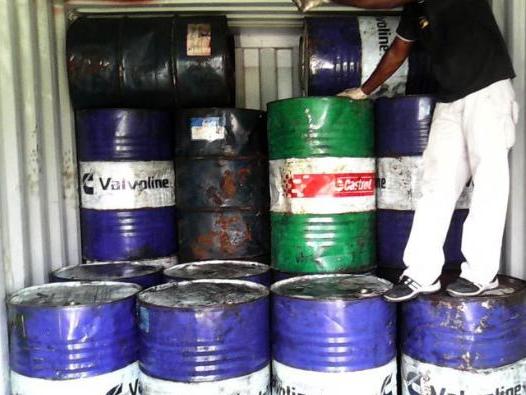
After emptying the engine oil, immediately store it in a clean and sealed container. If the original oil tank is intact, it is best to use the original oil tank; otherwise, use a thick plastic bucket with a screw cap. Avoid using fragile containers, milk cans, or containers that previously held solvents or antifreeze chemicals – these containers will contaminate the oil and make it impossible to recycle.
Clearly label the container with the word “Waste Oil” so that the recycling personnel can identify it. Do not mix it with water, gasoline, brake fluid, antifreeze or any other liquids – the mixed oil may be rejected by the recycling facility or require special hazardous waste treatment.
During transportation, please place the container upright and secure it properly to prevent leakage. You can place cardboard boxes or plastic trays underneath the container.
2. Take It to an Authorized Drop-Off Point
Pouring used engine oil into regular trash bins or storm drains is illegal. Here are some legal ways to dispose of it:
| Type of Place | What to Expect |
| Auto repair shops & service stations | Many accept used oil from customers; sometimes free or small charge. Call ahead to confirm. |
| Auto parts stores | National chains often take oil back for recycling at no charge (e.g., stores that sell oil). |
| Municipal hazardous waste facilities | Local public works departments often run household hazardous waste programs with drop-off days. |
| Certified oil recyclers | Companies that recycle large volumes of used oil and pay small amounts per gallon. |
If you are unsure of where to go, please consult your local/regional waste management website or a recycling center locator for possible certified used oil drop-off locations.
Remember to call first. Some places may only accept used oil at certain times or could be under temporary volume restrictions.
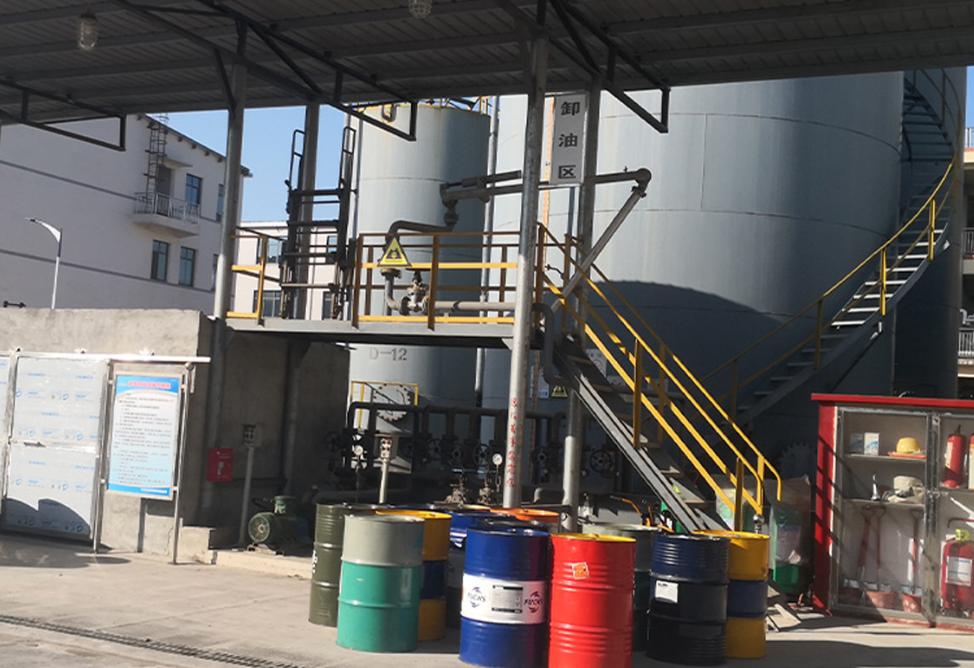
3. What Happens After You Drop It Off?
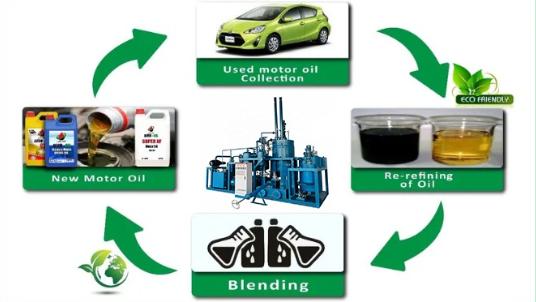
After the used engine oil is collected, the recycling plant will process it. They do not simply melt it. The usual processing procedure is as follows:
- Decarbonization and dehydration: Removal of moisture and volatile gases.
- Filtering and distillation: Separating solids, acids and contaminants.
- Refinement: Convert the purified waste oil into reusable base oil or fuel oil.
Based on specific specifications and test results, advanced recycling technologies can even produce base oils of comparable quality to new oil.
Don’t Forget Oil Filters and Other Fluids
Used oil filters still hold a surprising amount of oil — sometimes several ounces — and that can drip into the environment if you just toss the filter. Fully drain filters overnight into your used oil container and bring them to recycling drop-offs, too. Many centers accept filters alongside the oil.
Also treat other automotive fluids like transmission fluid, antifreeze, brake fluid, and hydraulic oil as separate waste streams — don’t mix them with your engine oil. Many recycling centers take these as well, but check locally.
Is Recycled Engine Oil As Good As New Oil?
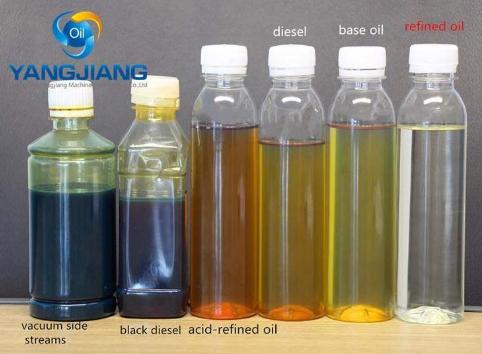
The answer used to be no, but now we’re confident enough to say that oil purification technology can turn used black oil into products that match the quality of crude oil. The key property of engine oil is its viscosity. And if you run a viscosity test on the recycled oil, the result could be equal to that of crude oil.
So if you’re using recycled oil, don’t worry. You won’t need to perform an engine oil change more frequently or have your engine damaged (on the premise that you buy these oils from merchants that have passed the quality inspection).
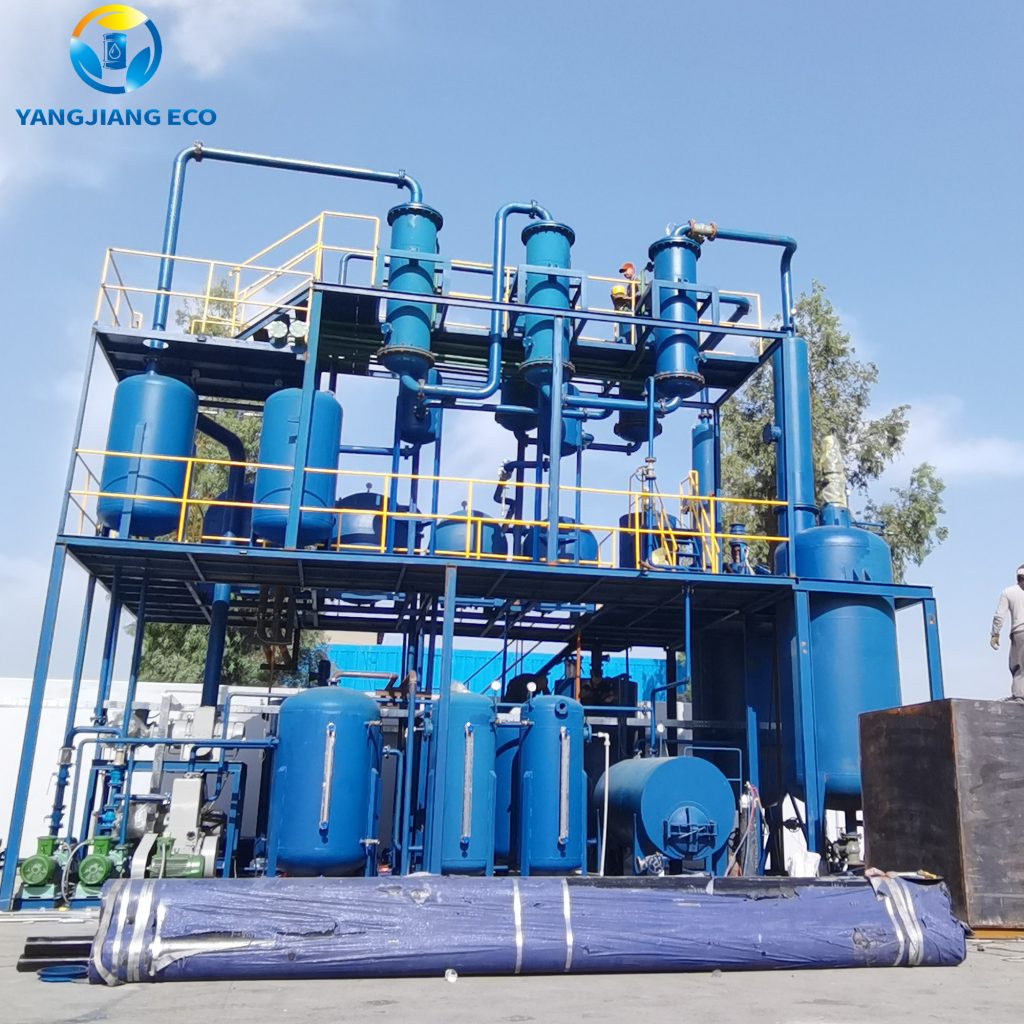
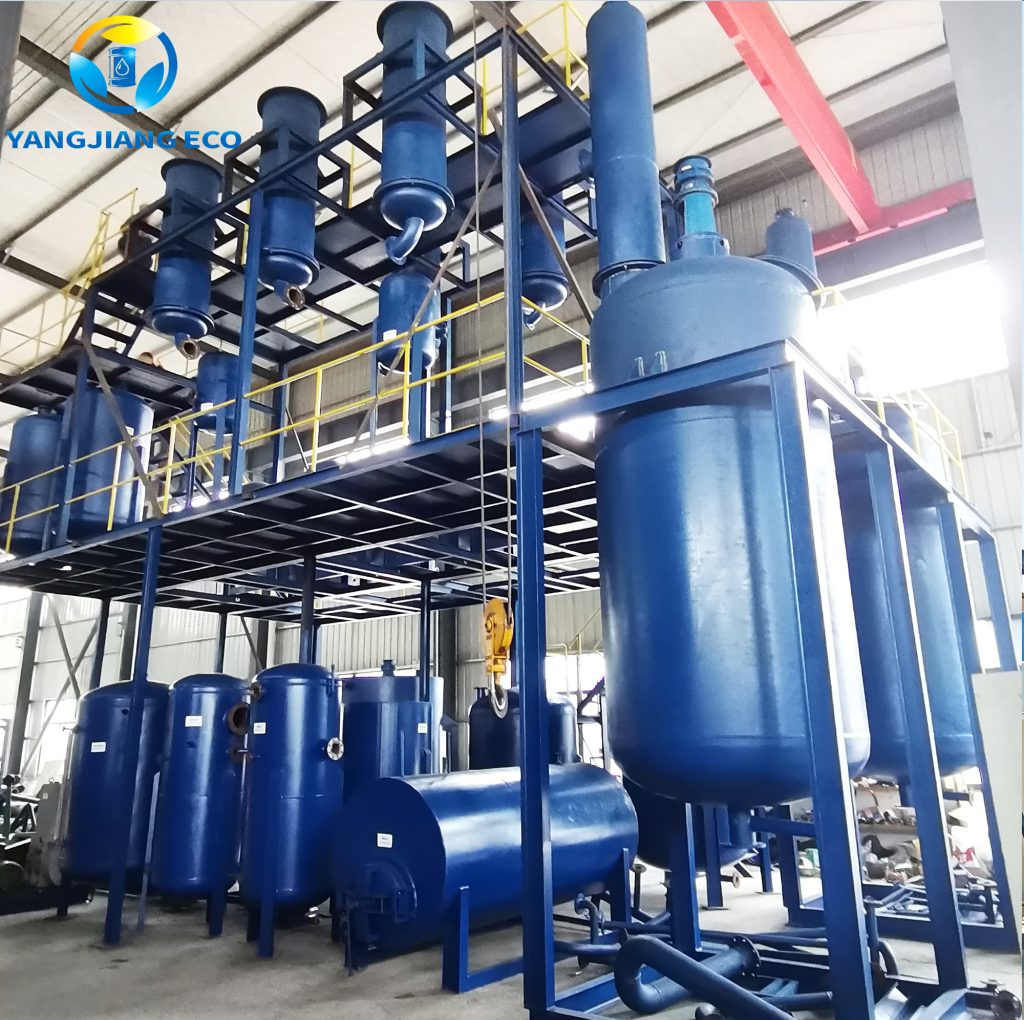
YANGJIANG is a Chinese engine oil recycling plant manufacturer. We can produce machines capable of purifying used engine oil into high-quality base oil. For more details, visit our product page: Waste Engine Oil Recycling Machine
Recommended Products