
Mechanical Automation Engineer
When the subject of recycling regulations comes up, the direction for the rest of the world is usually set by the EU, even if the rest of the world follows later.
What happens in Europe does not stay in Europe, and the new, more stringent regulations regarding recycling and waste management by the EU, which will be enacted by 2026, are not only affecting European recyclers but also suppliers, exporters, and manufacturers worldwide.
For waste oil recyclers, the message is clear: the new standards are the new baseline.
Overview of EU Recycling & Waste Policies in 2026

In the year 2026, the European Union will continue to strengthen its measures on waste management with an emphasis on the circular economy and pollution reduction. The direction remains clear: less disposal, more recycling, and better quality recycled products.
In the case of waste oil and plastics, for instance, the control of waste collection, treatment, and reuse remains tighter. Ineffective treatment and recycling methods are gradually being eliminated. Recycling is no longer just about waste management; it is about creating secondary resources.
Impact on the Global Waste Oil and Plastic Recycling Industry
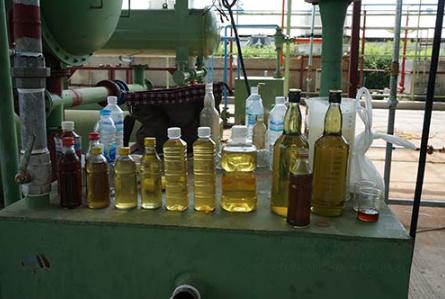
This is particularly seen in the recycling policies to be put in place by the EU in 2026. This is affecting the recycling of waste oil and plastic beyond the EU. Companies associated with the EU market have to improve the quality of recycling and the quality of output.
This can be seen in the following ways:
1. Quality of recycled oil and plastic products
Recycled oil and plastic products have to meet certain standards. For oil, this involves re-refining the oil to a stable base oil rather than using it for fuel. For plastic, this involves an increase in oil recovery rather than using it for mechanical recycling.
2. Tighter control of emissions and residue
Recycling plants with high emission levels and strong odor have to comply with certain standards.
3. Made recycling systems less competitive
Plants that were initially designed to focus on capacity rather than new technology face difficulties in meeting new technical and commercial demands, which in many cases results in reduced profitability or market entry.
These changes are making the recycling industry globally more efficient and cleaner. Waste oil and plastic recycling are no longer just recycling processes, but production processes that require a consistent output to the market.
Technology Upgrade Becomes a Global Trend
These developments have made it no longer a choice but a necessity for technology upgrades.
Recycling plants installed ten or fifteen years ago were primarily focused on capacity. Today, the focus is on the same level of importance on efficiency, environmental issues, automation, and product quality. For example, the focus is on the vacuum systems, condensation efficiency, residues, and the stability of the operation.
Also, the focus is not on expanding the capacity of the plants. Rather, it is on replacing the old plants with fewer lines but with more efficiency. This is a much safer option from the standpoint of operation, saves on energy costs, and is easier to get regulatory approval.
From a global perspective, the trend is moving toward modular and expandable recycling plants.
How Advanced Waste Oil Recycling Plants Help Meet EU Standards
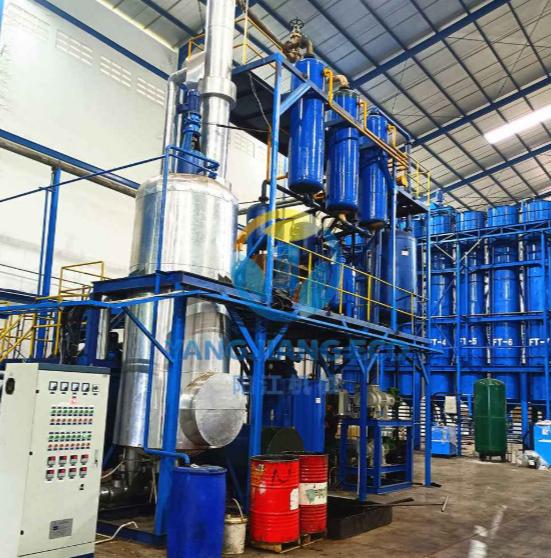
Advanced waste oil recycling plants meet EU requirements in the following areas: process control and output quality.
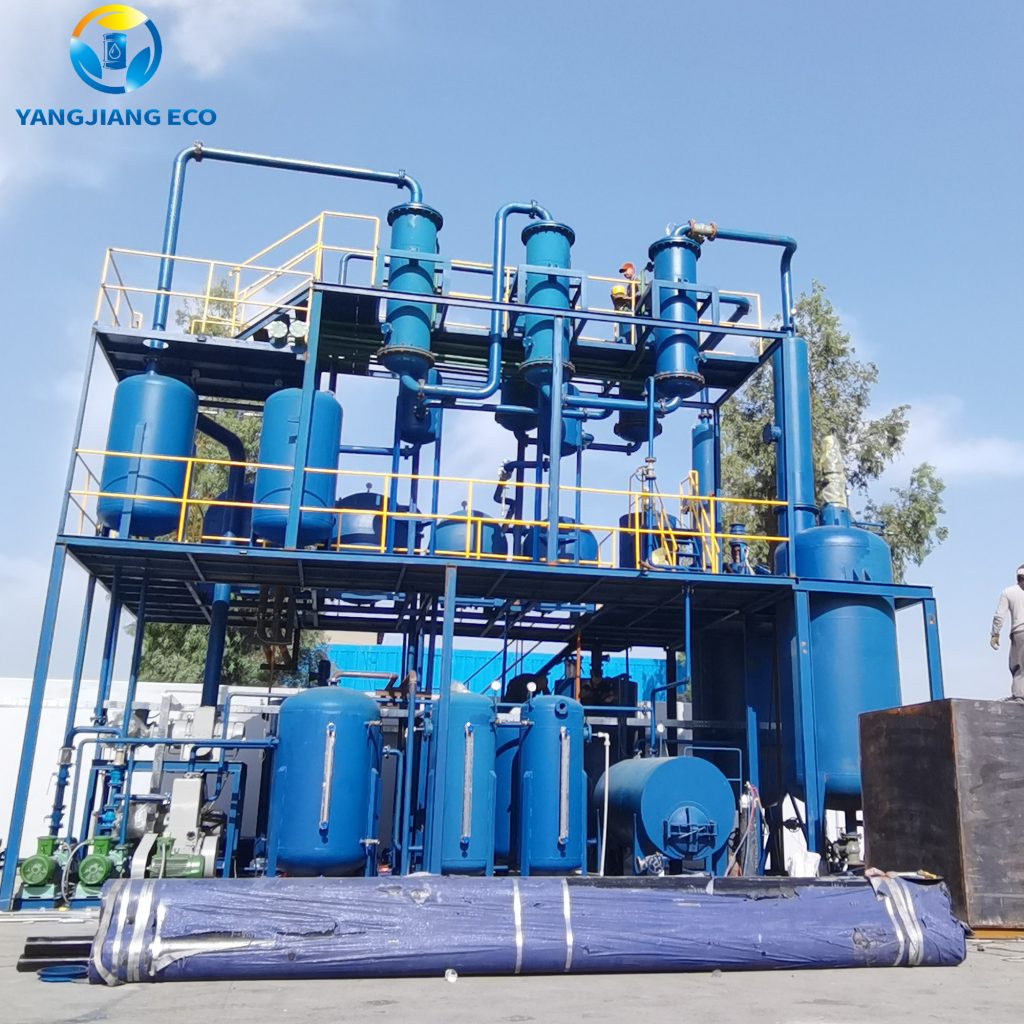
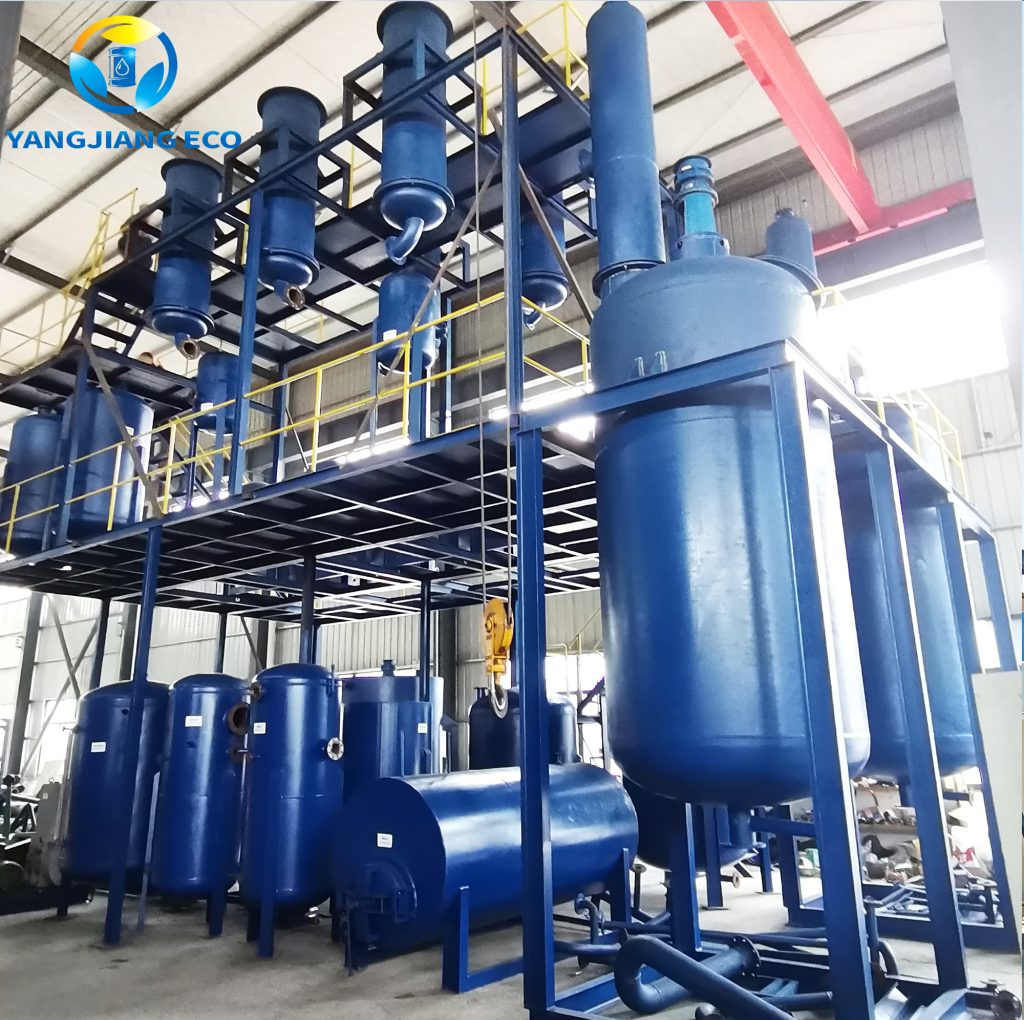
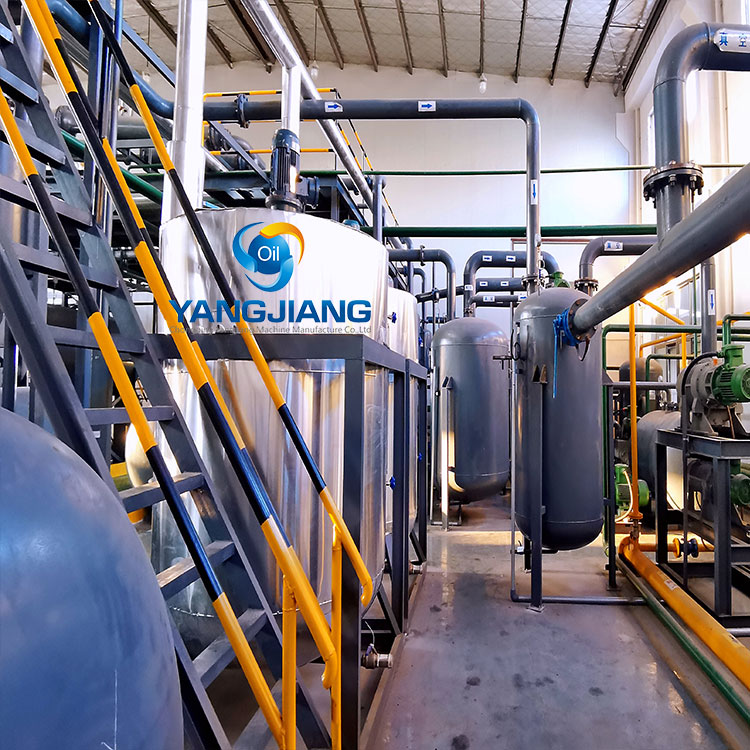
The latest advanced systems utilize high-vacuum distillation processes that operate at lower temperatures. This minimizes cracking, improves the quality of base oils, and decreases emissions simultaneously.
Another important aspect is the stability of the process. For the process to be considered EU-compliant, it should have consistent output. Continuous or semi-continuous systems are better than traditional batch processes, especially in medium and large-scale plants.
Automation is also considered in this regard. By utilizing advanced control systems, operators are able to monitor temperatures, pressures, and flows in real-time, making compliance checks and reporting simpler.
Practical Solution: Building EU-Compliant Waste Oil Recycling Projects
To establish a waste oil recycling project that is EU compliant, the right process design is a fundamental step. It is not just about purchasing a machine; it is also about ensuring the plant is capable of producing a high-quality output at all times.
Generally, the key principles for a successful project include:
- Emphasis on the final product, which is the re-refined base oil with consistent properties, rather than the volume of waste oil processed.
- Leaving room for margins during the layout to ensure effective handling of residues and the incorporation of emerging technologies.
- Avoiding experimental designs and focusing on proven technologies with effective systems.
Once the above foundations are established, a reliable supplier is also a necessity. This is because a reliable supplier not only offers equipment but also offers optimization solutions and layout suggestions.
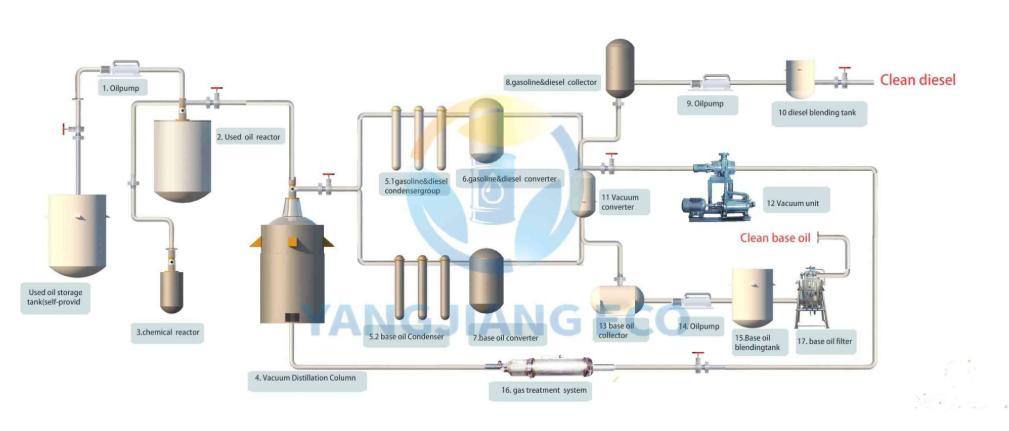
For companies looking forward to attaining EU or EU-level compliance, our integrated waste oil recycling solutions offer exactly that. By utilizing our solutions with high-vacuum distillation and monitoring systems, you’ll be able to attain compliance with the EU directives while also recovering the oil and minimizing the risks associated with the operation.
Visit our official website page for more information on our products and services, and start your path towards a futuristic and EU-compliant operation!