
Mechanical Automation Engineer
The cost of virgin base oils remained volatile from 2025 all the way to 2026. Meanwhile, many governments are now prohibiting the dumping of waste oils.
This presents the lubricant manufacturers with two challenges: increased costs for their raw materials and tough laws for their waste disposal.
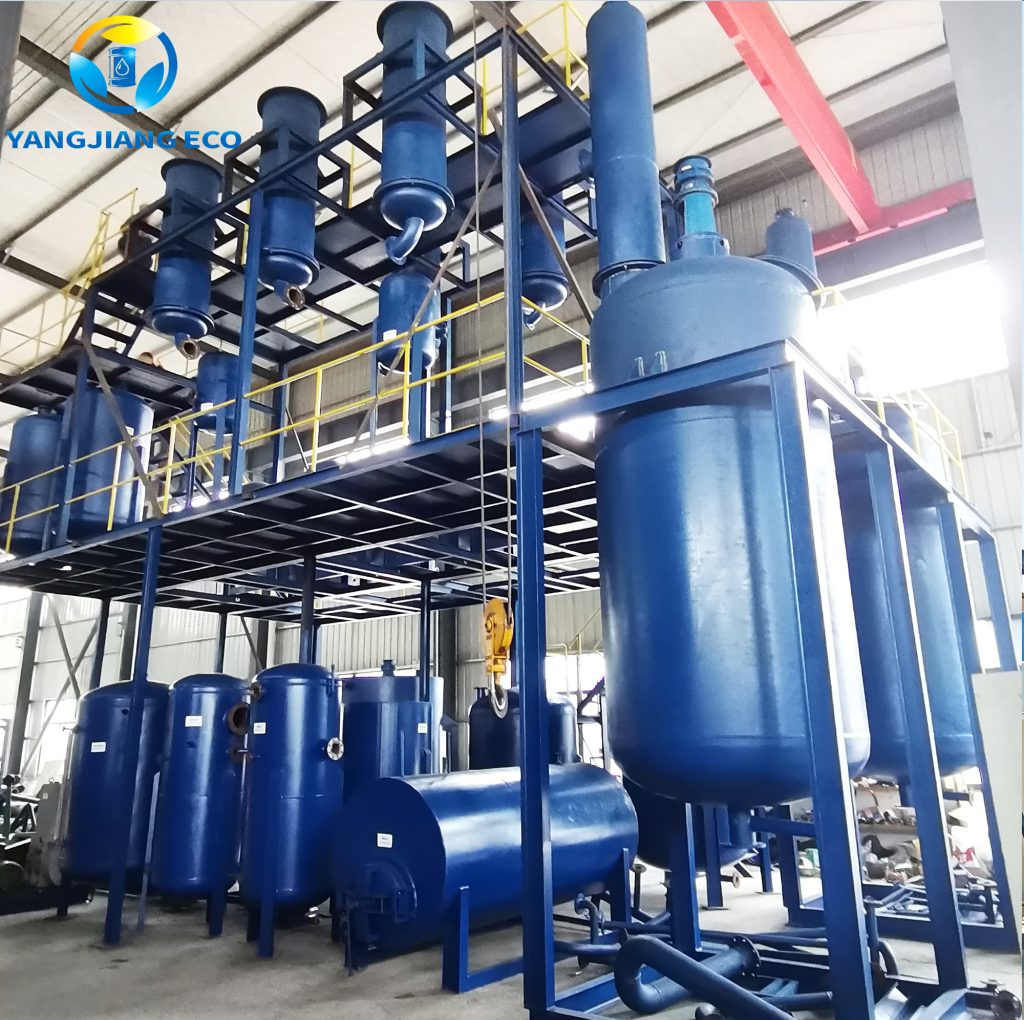
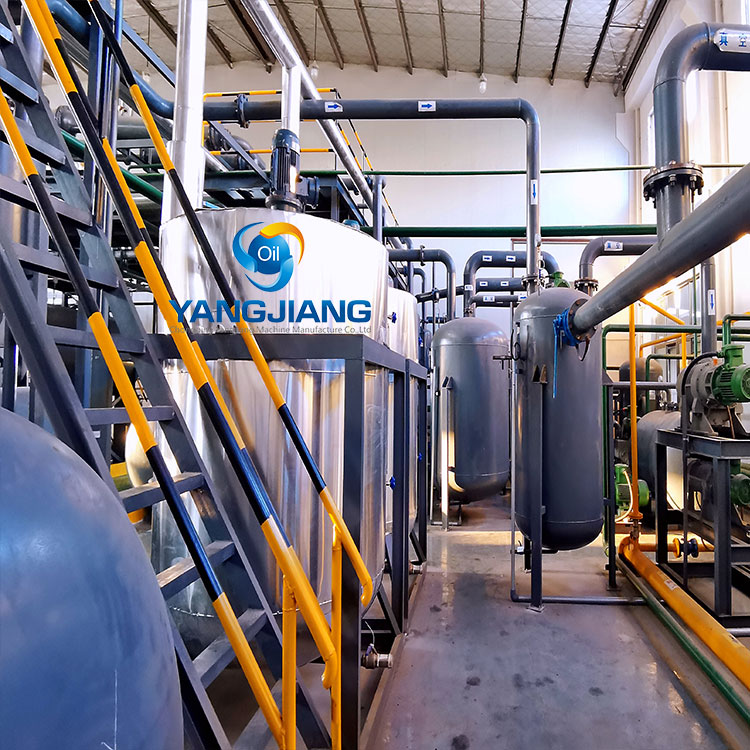
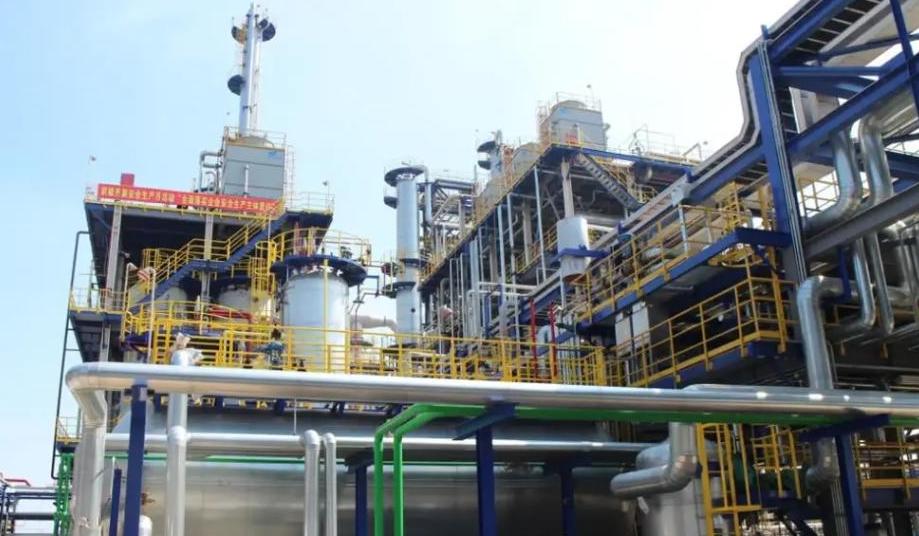
One solution is a closed-loop plant that combines waste oil re-refining with on-site lube oil blending. You collect waste oil, turn it back into base oil, then blend it into finished products—all on one site.
Why Virgin Base Oil Is No Longer a Safe Bet?
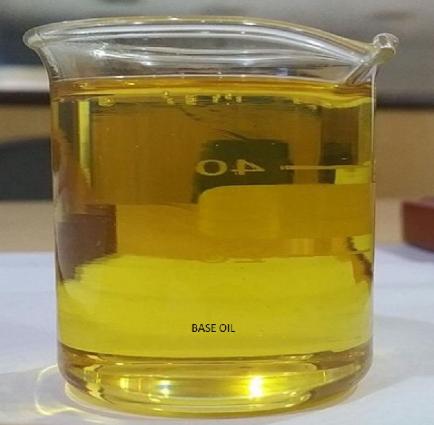
The price range for Group I and Group II base oil in Asia and the Middle East fluctuated 15%–20% in 2025 because of refinery turnaround and export quotas.
Russia had export quotas since 2024 and there were unexpected disruptions in South Korea and the US Gulf, creating supply constraints. For a small-to-medium-sized blender, purchasing base oil on the spot market would be difficult and profit margins uncertain.
On the other hand, stricter regulations for waste oil handling are now in place:
- The EU’s amended Waste Framework Directive (completely enforceable from 2025) gives preference to re-refining over fuel consumption.
- Many states in the US, such as California and New York, have strengthened bans on landfills for used oil.
- Countries in Southeast Asia, like Thailand and Indonesia, are also drafting similar regulations.
Overall, it will cost more and be subject to stricter regulations to pay an outsider to dispose of used oil waste.
How a Closed-Loop Plant Works?
A closed-loop process involves two major steps.
Step 1 – Re–refining
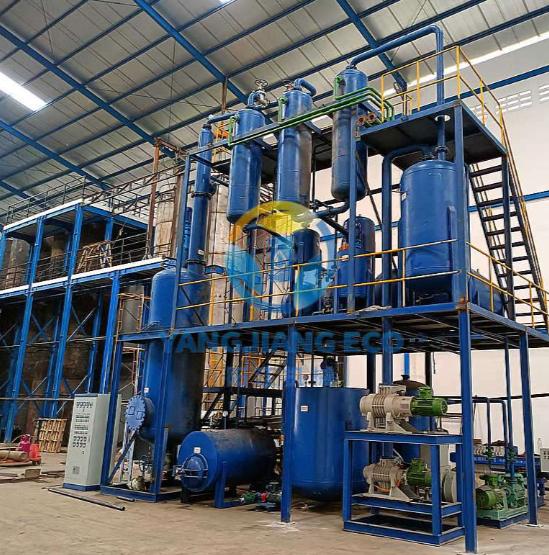
Rerefining of waste oil is done to remove moisture, light ends, and other contaminants by applying vacuum distillation, hydro treating, or clay. As a result, we get re-refined base oil, which can be of Group I and Group II standards.
Step 2 – Blending
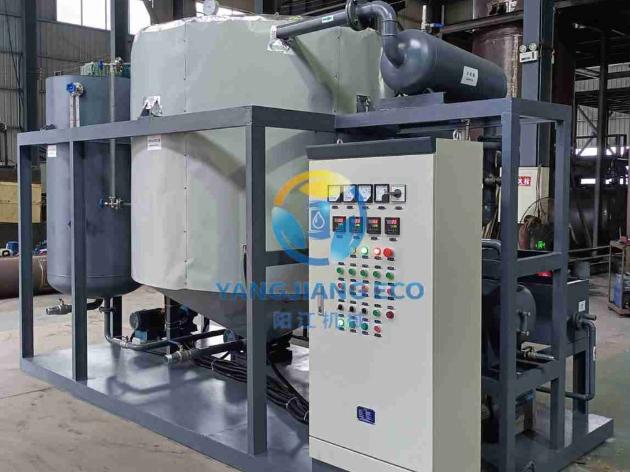
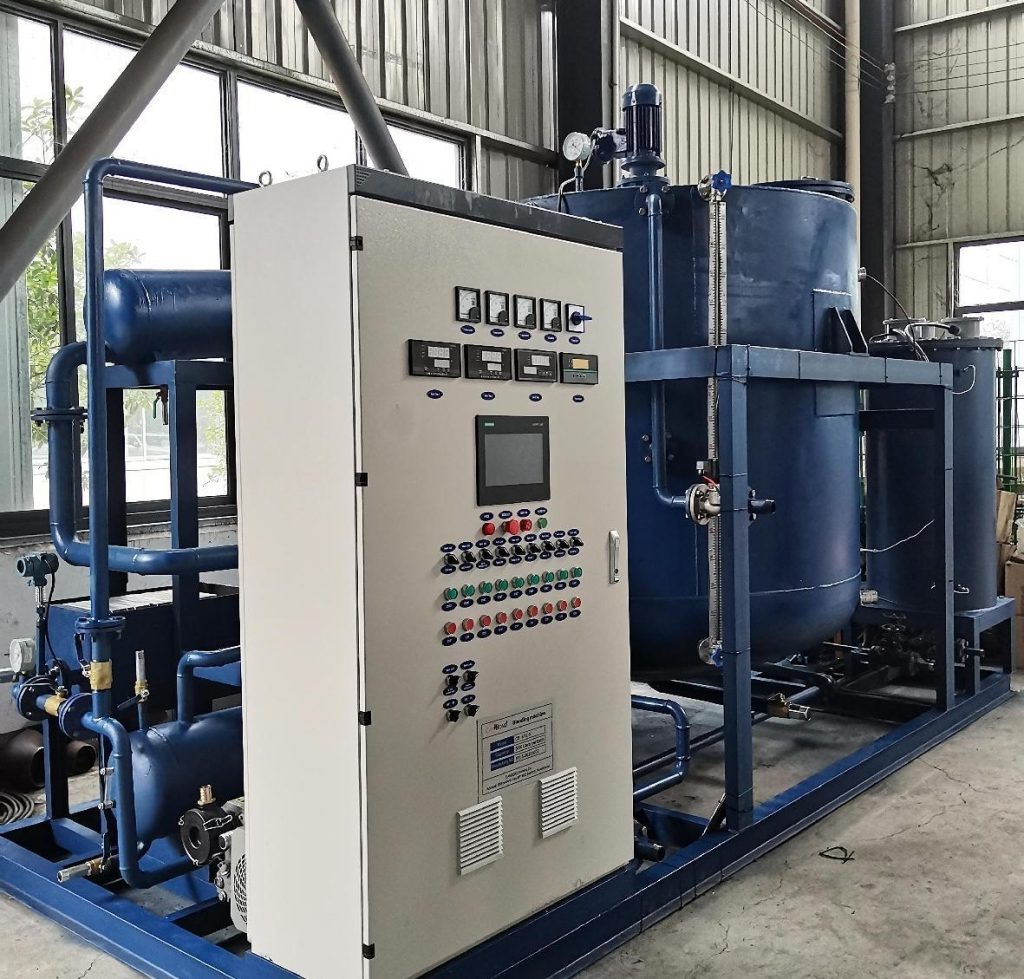
In the next step, the lube oil blending plant blends the re-refined base oil with various additives for getting finished lubricant oil of certain standards, such as hydraulic oil or engine oil, as per API SG/CF standards.
How about additive formulations?
They don’t have to be invented. As indicated in the product page for YJ-BYL, additive kits and formulation blends for standard formulations like 15W-40 or 20W-50 can be obtained from the suppliers.
The blending plant will automate dosage, heating, and mixing of the different components.
This does not involve any untested technology. Re-refining has been commercially feasible for decades (examples include Safety-Kleen in North America and a few European plants). There are plenty of modular units that can do small-scale operations. Putting together refining and blending technologies just combines two well-tested technologies in one place.
Financial & Operational Benefits of Doing Both Under One Roof
The clearest benefit is feedstock cost.
| Cost comparison | Typical range |
| Virgin Group I/II base oil | Benchmark (100%) |
| Re-refined base oil | 10–25% lower |
This is true because there is no double payment for crude oil refining margins. The difference increases by more than 25% when virgin prices rise (which happens quite often in years like 2024-2025).
Less complicated logistics follow
For example, in a single-blending process, the used oil is transferred to a re-refiner, and then the virgin or re-refined base oil is brought in. That’s two transfers and two logistics expenses.
In a closed-loop operation, used oil is delivered to the plant, and the base oil is transported from the re-refinery to the blending tanks through pipes.
The supply risk is greatly reduced
There is dependence on refinery timing, shipment routes, and customs clearance for virgin base oil. Failure in any of these means you will have to wait. The in-house re-refining operation uses local waste oil collected weekly from businesses and agricultural areas.
It is worth noting that there is an additional cost for taking the waste oil, which becomes profitable even before processing it.
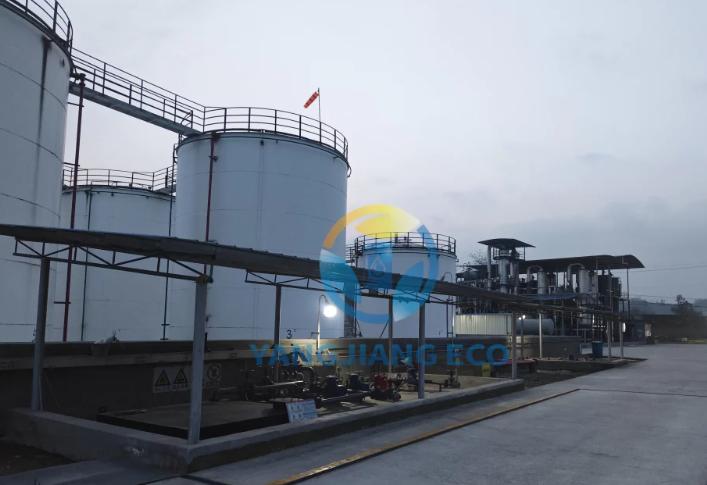
Two models on one site
Should you be collecting used oils for reselling, adding blending will change your margins significantly. Instead of selling re-refined base oil at commodity prices, you sell finished lubricants. The margin difference is significant; on average, it is 2-3 times higher per ton.
Should you already have a blending facility, but purchase all base oil, then re-refining will become an insurance mechanism for you. Purchase virgin oil during low prices and run your re-refining line during high prices, regardless. You manage the blend ratio in any case.
Capital cost considerations
Certainly, a closed-loop plant requires higher initial investments than a blending-only line. However, the payback period from real-life cases in 2025 (Turkey, Malaysia, and one unit in Texas) varies between 3 and 5 years. The decisive factor is access to waste oil locally.
Regulatory and ESG Advantages in 2026
The regulators have moved towards refined oils specifically.
- EU: The new End-of-Life Vehicle Directive (January 2026) promotes recycled material content in auto lubricants. Although not a requirement, it drives procurement practices in Germany, France, and Benelux.
- US: The USEPA’s 2025 revisions to Used Oil Management Standards indicate that re-refining of used oil is “the preferred management choice” compared to burning.
It is common practice for your clients (mining, transport, and agriculture) to publish their ESG performance. They will often inquire about the amount of recycled content in your products.
Closed-loop systems are able to record precisely how much re-refined base stock is used in each batch. This is a selling advantage rather than just an administrative task.
There are some regions where there are other benefits as well:
- Certain states in India give tax breaks or expedite the permit process for refineries that incorporate re-refining operations.
- Kenya and Nigeria hint at reduced import duties on domestically-made lubricants from local waste oils.
Who Should Consider This Integrated Investment?
The three most appropriate buyer types for such closed-loop plants would be:
1. Waste oil collectors that sell re-refined base oils or use the waste oil as fuel
Adding the blending line makes it possible to take control of the value chain’s last stage and sell the product directly to the consumer.
2. Lube blenders who spend a lot on virgin base oil
Adding refining will help reduce the cost of raw materials and secure the source of supply. It requires additional investments, but, according to 2025 case studies (Turkey and Malaysia), the payback period is estimated at 3-5 years.
3. Entrants in regions where waste oil is abundant but no blending capacity
Such as Nigeria, Ghana, Angola, Myanmar, Cambodia, Peru, and Bolivia. There are increasing demands for lubricants in such regions, but they depend on foreign sources for finished goods. A closed-loop plant does not require any base oil or lubricant importation.
Summary
Benefits from the use of the closed-loop facility:
- Lower costs of feedstock (10-25% compared to virgin base oil)
- No need for twice the logistics
- Insurance against the price volatility of the virgin product
- Conformity with growing waste oil regulations
- Proven ESG story for your clients
- Possible tax or import tariff reduction in certain jurisdictions
Send your estimated waste oil volume (liters or tons per month) and target finished grades. We will reply with a layout sketch and a basic ROI table using your local virgin base oil price and collection cost.