
Mechanical Automation Engineer
The growing price differential between raw waste oils and refined compliant fuels marks the new landscape for 2026. With global emission regulations such as FuelEU Maritime and EPA Tier 4 entering full enforcement, black diesel fuels such as pyrolysis oil and gas oil are being heavily discounted due to high sulfur and instability. High-grade water white diesel fuels are in short supply.
For investors and refinery operators, this is a high-margin play on the market imbalance, leveraging modular distillation and catalytic systems to convert low-grade fuels into high-grade EN590 fuels.
2026 Global Energy Context: The Surge in Diesel Premia
The global middle distillate market faced a structural deficit in the first quarter of 2026. This has been caused by the geopolitical shift in the Middle East’s energy routes, which have resulted in a record-high refining spread—the price differential between crude oil and finished diesel.
At the same time, the full implementation of carbon-taxing policies has resulted in a massive demand for low-sulfur, high-performance fuels. For industrial consumers, this means that the Green Premium for recycled fuel, which was previously a subsidy-driven bonus, is now a market-driven necessity. High-quality recycled diesel fuel commands a 15-20 percent premium over standard industrial heating fuels, given that it meets international engine standards.
The Economic Value of “Black Diesel”
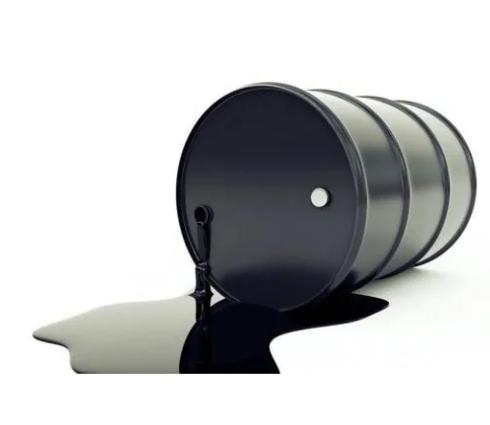
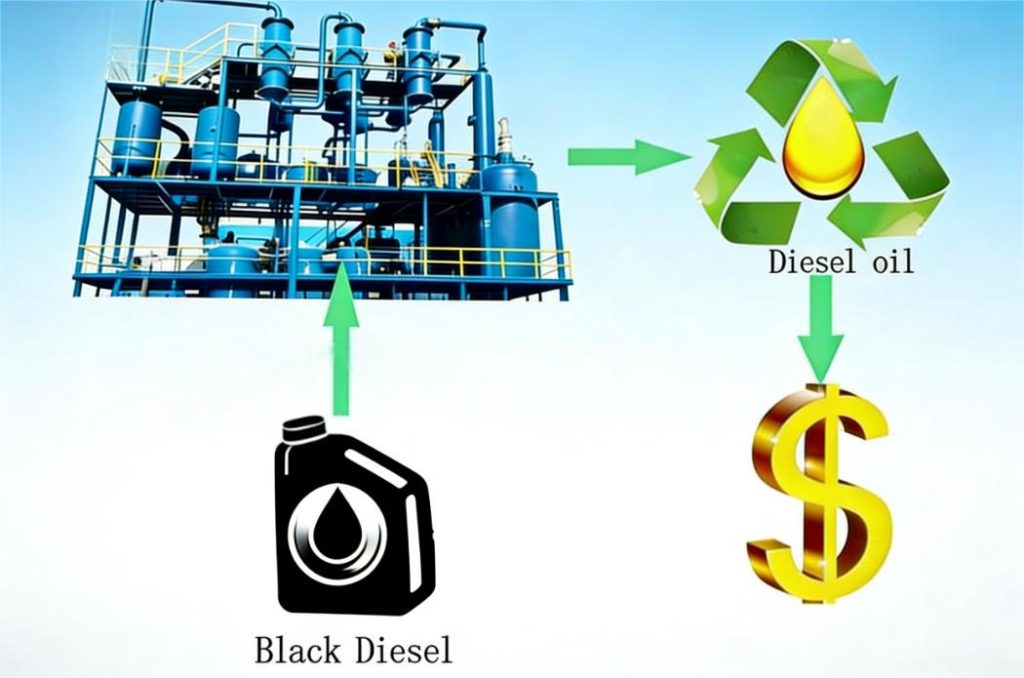
“Black Diesel,” which is often derived from tire/plastic pyrolysis oil or low-grade waste oil distillate from used engine oil, is known to have high sulfur, carbon residue, and nitrogen content. The price of this oil is often 40-50 percent less than the price of regular diesel oil used in automobiles due to its color, smell, and combustion characteristics.
The Arbitrage Opportunity:
- Cost of the Raw Material (Feedstock): It is currently averaging at $450-$550 per ton, depending on the infrastructure for waste collection in the region.
- Cost of the Final Product: High-grade water-white quality diesel, which is equivalent to Euro V and VI standards, is being traded at $950-$1,100 per ton in the volatile market conditions of 2026.
- Delta: A gross arbitrage spread of $500+ per ton, providing ample room for processing costs while maintaining high net margins.
Technology of Black Diesel to High Quality Fuel
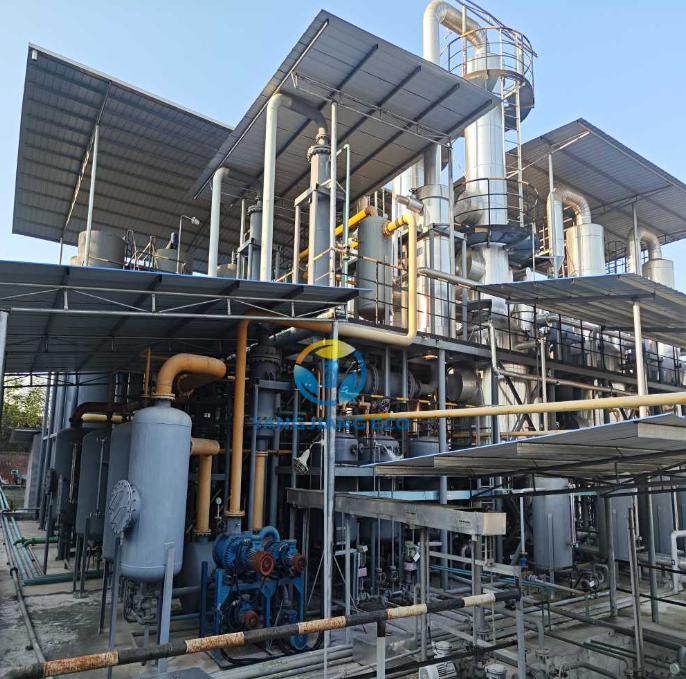
In order to achieve these margins, the process of upgrading needs to extend beyond filtration. For the year 2026, globally, the following three steps are important to achieve the standards:
A. Vacuum Distillation & Fractional Cutting
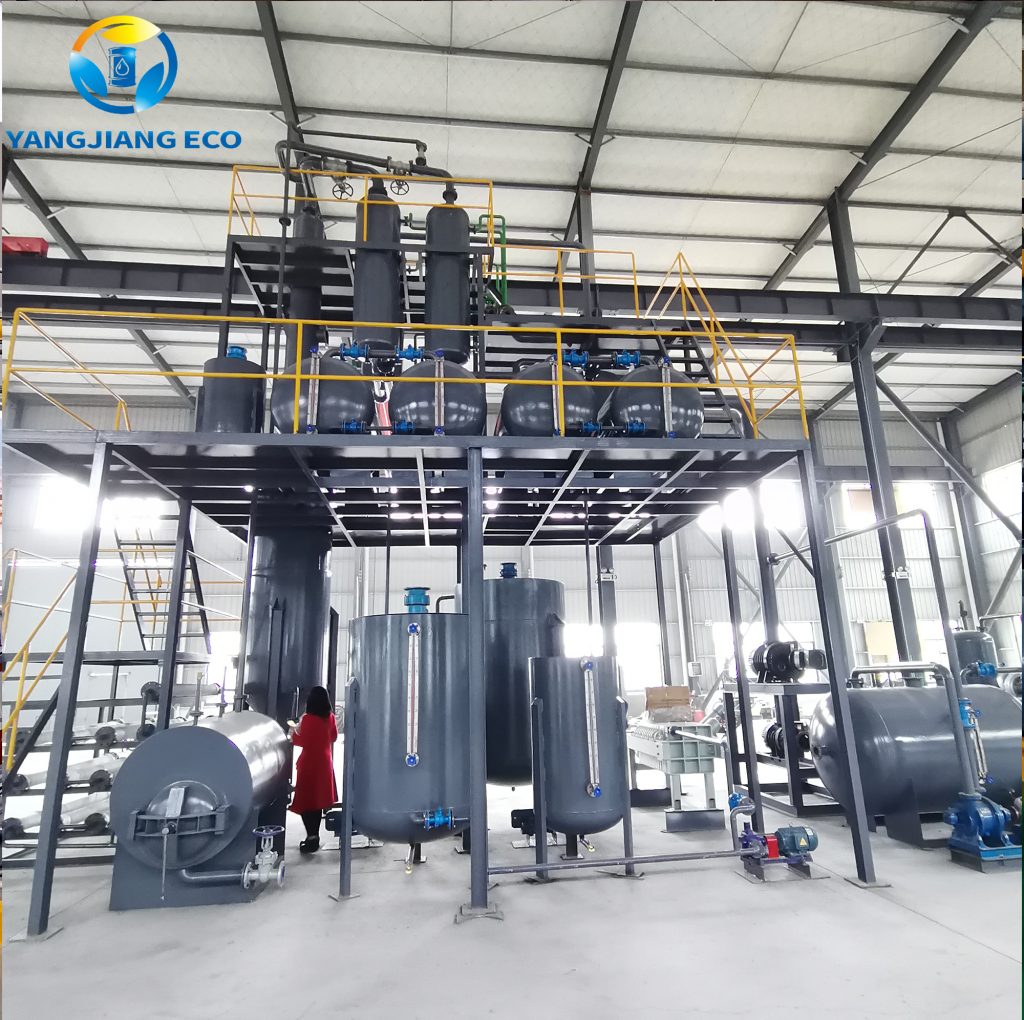
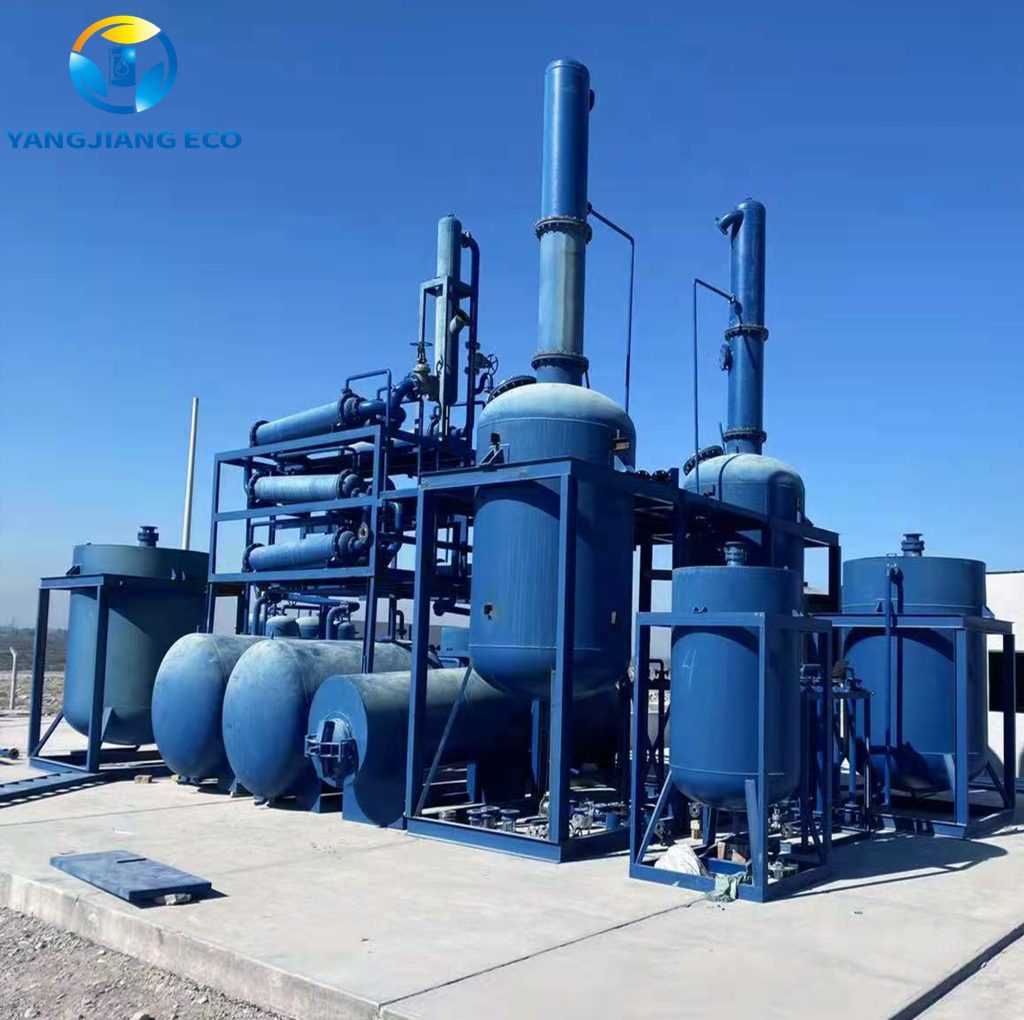
Atmospheric distillation is not sufficient to distill heavy waxes and bitumens. Vacuum distillation is required to reduce the boiling point to prevent “thermal cracking,” which creates unstable fuels with a heavy odor. Controlling the temperature in the range of 320°C to 350°C is important to maximize the recovery of the diesel fraction.
B. Advanced Catalytic Desulfurization
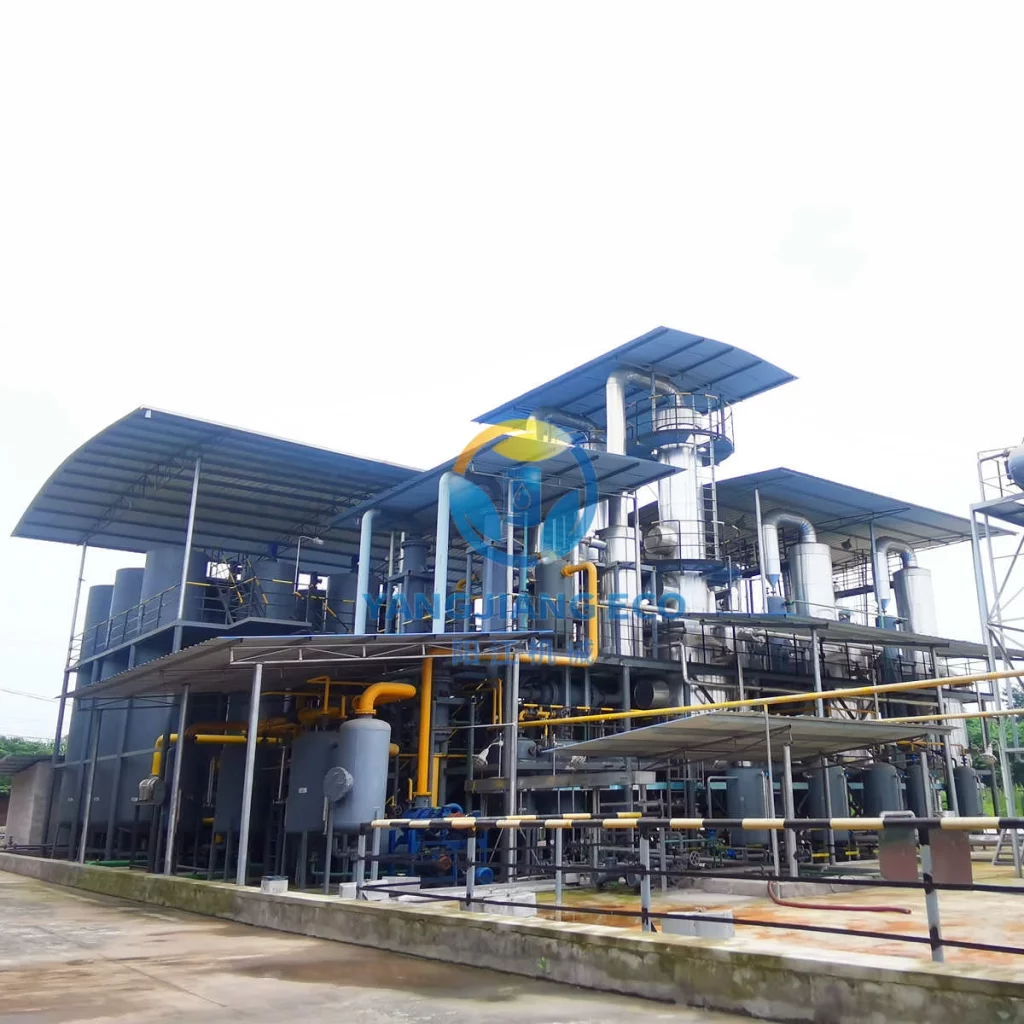
The sulfur levels in black diesel are over 2000 ppm, while the 2026 environmental mandates demand less than 10 ppm for road and premium marine fuels. In catalytic desulfurization, by using Cobalt-Molybdenum (CoMo) or nickel-based catalysts in a pressurized reactor, sulfur levels are lowered through hydro-treating or liquid-phase catalytic adsorption, making the fuel safe for consumption.
C. Solvent Extraction vs. Silica Gel Polishing
Though clay polishing was the norm in the 20th century, 2026 refineries are using Solvent Extraction, which is a closed-loop system for removing PAHs and nitrogen, thus raising the Color Index from 8.0 (Black) to less than 1.5 (Golden/Water-white). Unlike clay, no solid waste disposal is required, as solvents are recycled within the system.
Comprehensive ROI Analysis
Hence, for the standard 20 tons per day capacity refinery unit, the OPEX is controlled with the stabilization effect of modern technology.
| Expense Item | Cost per Ton (USD) | Notes |
| Electricity & Fuel | $25 – $35 | Utilizing non-condensable gas back-burning |
| Catalysts & Chemicals | $40 – $60 | Depends on feedstock sulfur/acid levels |
| Labor & Maintenance | $15 – $20 | Based on 3-shift semi-automated operation |
| Waste Disposal | $5 – $10 | Handling of distillation residue (bitumen) |
| Total OPEX | $85 – $125 |
Calculation of Net Profit (2026 Market Prices)
- Output Value = $1,000 (Finished Fuel) + $40 (Bitumen/Heavy Oil By-product) = $1,040
- Input Costs = $500 (Feedstock) + $110 (Avg. OPEX) = $610
- Net Profit = $430 per ton
Therefore, the refinery unit generates $8,600 daily net profit. Considering 300 days of operation annually, the net profit is $2.58 million, enabling the refinery to achieve the payback period within 8 to 12 months for high-spec equipment.
Note: The data are estimates and are for reference only.
Strategic Investment for 2026
The move to a circular economy is no longer a choice. In 2026, the profitability of upgrading black diesel will be driven by two sources:
- Carbon Credit Integration: Refineries can earn Carbon Credits (CORSIA/EU ETS) for every ton of waste oil that is redirected from burning to creating high-grade fuel, creating an additional indirect revenue stream of $30 to $50 per ton.
- Scalability: New modular technologies allow investors to start with 5 TPD and scale to 50+ TPD by adding parallel reactor trains. This Lego-like design reduces initial capital risk and adapts to feedstock availability.
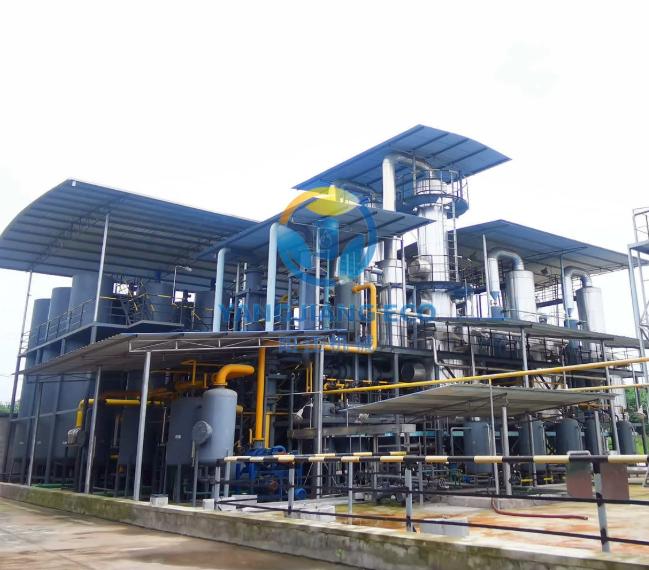
The 2026 diesel market rewards technical depth over simple filtration. Upgrading black diesel is no longer about “cleaning” oil; it is about molecular restructuring to meet stringent EN590 and ASTM D975 standards. YANGJIANG‘s advanced vacuum distillation and catalytic desulfurization systems are engineered specifically for this transition, delivering water-white fuel with sulfur content below 10 ppm. By integrating our closed-loop solvent extraction technology, operators eliminate secondary pollution while maximizing the recovery of high-value Group II base oils and premium diesel.
With a typical payback period of 8–12 months and the ability to capture additional revenue through carbon credits, our modular plants offer the most resilient ROI profile in the current energy sector.
Secure your competitive edge in the 2026 fuel market.
Contact YANGJIANG for a Custom ROI Analysis and Equipment Quote!