
Mechanical Automation Engineer
If you are looking to enter the waste oil recycling market, you already know that raw material—used motor oil, hydraulic fluid, and black lube oil—is abundant and often cheap to source.
Today, you do not need an industrial-scale refinery to produce marketable oil. The development of the modular, skid-mounted mini waste oil refinery machine allows entrepreneurs to set up a compliant, high-yield distillation plant with a fraction of the traditional capital investment.
If you have the idea to establish a small-scale operation that generates clean base oil or diesel fuel, here is the exact operational and technical framework you need to follow.
1. Market Research & Sourcing Raw Material Localized
The most prevalent cause of failure in refining waste oil is the logistical problem – it isn’t the technology. Waste oil is a bulky commodity, and moving it great distances reduces your profit margin. The formula for keeping capital costs low is: “Local Sourcing, Local Refining, and Local Sales.”
Finding Waste Oil at Low or No Cost
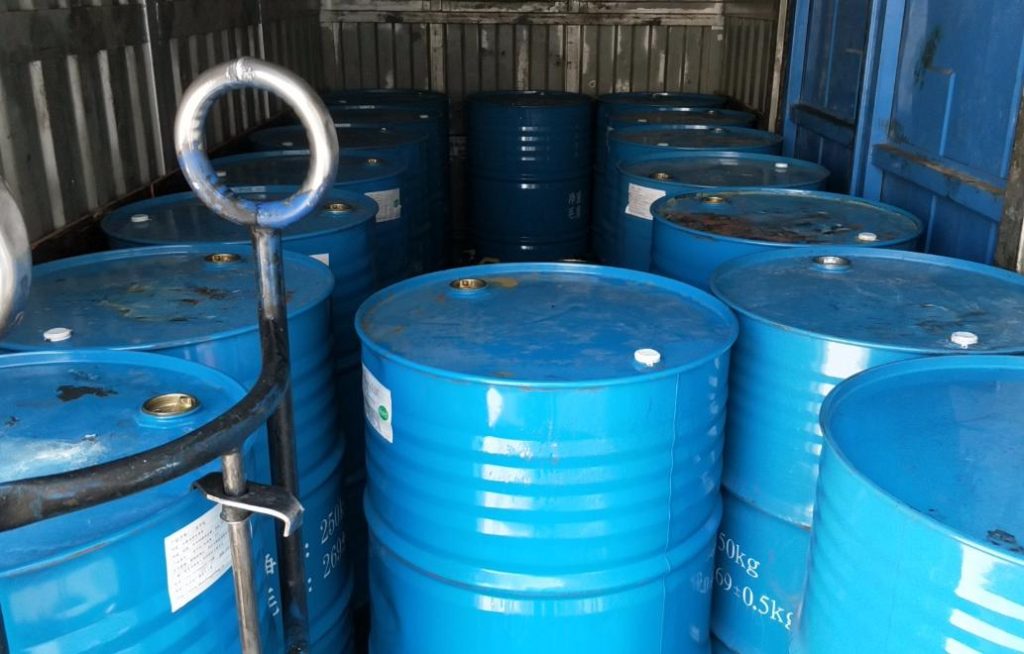
Look right in your backyard. For small-scale operations, you will need to develop personal relationships with the local generators of waste oil:
- Automotive Repair Garages and Car Dealerships: They have an unending supply of oil that comes from their clients’ engines.
- Transport Companies and Logistic Providers: They run fleets of trucks that require maintenance and have large stocks of used oil.
- Construction Sites and Farms: Heavy machinery requires frequent hydraulic and engine oil changes.
Identification of Local End Buyers
Make sure you know who will buy the end product before purchasing the equipment. Depending on the configuration used, the mini-refinery produces two products that are easily marketable:
- Base Oil (Group I & II, such as SN150 or SN300): Your main customers would be local lubricant blending plants, marine oil sellers, and industrial machinery repair services.
- Diesel: This can be directly marketed to local farmers needing tractors, local logistics companies using diesel engines, and local factories using industrial boilers.
2. Understanding Local Compliance & Site Requirements
One does not require a huge facility to commence operations. But you have to be environmentally compliant to guarantee sustainability in your business.
Eco-Friendly vs. Traditional Acid-Clay Technique
For decades, smaller-scale recyclers relied on the acid-clay process to remove oil. But never attempt this procedure. It leaves a hazardous waste byproduct in the form of toxic acid sludge that is utterly unlawful to dispose of in most places around the world. You are required to apply the eco-friendly physical vacuum distillation technique, which generates no wastewaters, captures emissions, and gives dry distillation residues.
Space Requirement is Minimal
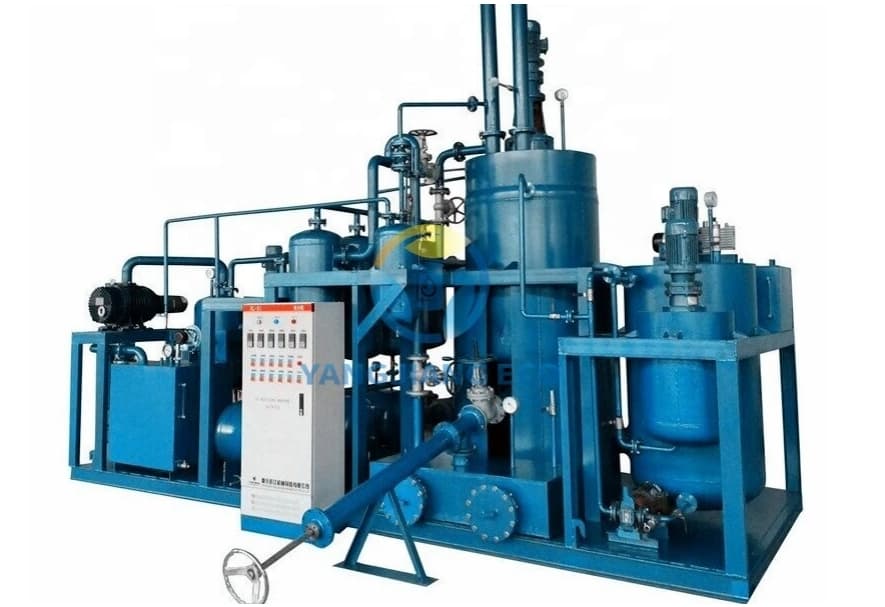
One of the advantages associated with this small-scale process is that of minimal space requirement. With this unit, there is no need to build anything specifically. This system will fit perfectly well in the space taken by a standard 20-foot container, which translates into roughly 15-30 sq. m. All you would need is a concrete floor and shelter from rain.
3. Technology Selection: Why a “Mini Refinery Machine” Is the Key to Low Capital
Avoid investing too much money on large, automatic continuous systems when you first enter the recycling industry with limited funding. Opting for a batch mini waste oil refinery machine with production capacity from 500L to 2000L per day is better because it reduces your start-up costs until you establish your local network.
Three key technologies in a good machine include:
High-Vacuum Distillation Technology
Waste oil cracked in a reactor with normal atmospheric pressure produces coke and becomes unusable. In order to protect the quality of the waste oil, a good machine uses a vacuum pump that enables oil distillation by reducing its boiling point.
Cutting-Edge Vapor-Phase Catalytic Process
No equipment using dangerous liquid chemicals should be used. Contemporary technology uses solid catalysts that react with the oil in vapor form. The process purifies the oil of any toxins, eliminates sulfur, and re-establishes the molecular structure of the oil from toxic waste oil to stable base oil or golden diesel without producing any secondary emissions.
Fully-Welded, Pre-Piped & Wired Skid-Assembly
Engineered and assembled on-site will always prove costly and inefficient. Look for an oil processor whose components have been fully welded and piped before shipment to arrive ready-to-use on a sturdy steel skid. All you need to do is plug it in and start processing.
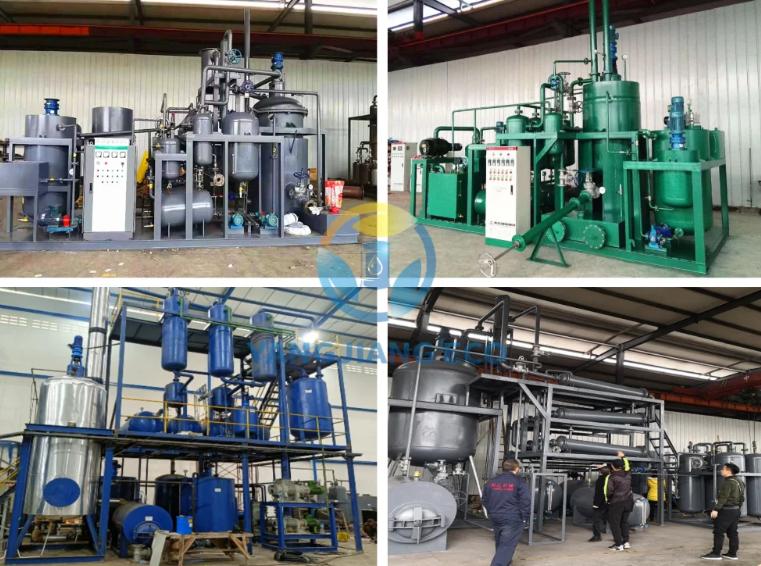
4. Smooth Operations & Avoiding Common Industry Pitfalls
Operating a refinery demands focus on minute aspects of the process. Take care not to make these two typical blunders that would result in low-quality products and high production costs:
Management of Water Content
Used motor oil becomes contaminated by rainwater or engine coolant when collected from mechanic shops. Feeding the reactor with a mixture containing 10 percent water would lead to violent boiling, formation of foam, and immense consumption of electricity for steam generation.
The solution to this problem is to use an unheated settling tank where raw oil remains for 24 to 48 hours before being fed into the next stage of the processing cycle. Water is heavier than oil and settles to the bottom.
Color Reversion and Odor Elimination
One of the common technical challenges is called “color reversion,” where the refined oil initially appears clear for the first day; however, after one week of contact with air and sunlight, it turns brown. This situation occurs because of unremoved unsaturated hydrocarbons.
In case the oil should possess top-quality appearances desired by the local consumers, the inclusion of a small-scale solvent extraction or silica gel polishing apparatus into your system will guarantee the removal of all the odor-inducing agents, leaving you with permanently clear oil.
To Conclude
Investing millions in venture money is not required to start a waste oil recycling enterprise. With an emphasis on local waste oil sources, adoption of a legal process of distillation, and use of the small-scale yet very effective mini-refining equipment, you will succeed in establishing a very lucrative and green enterprise.