
Mechanical Automation Engineer
When evaluating an waste oil recycling plant, the oil recovery rate is usually the key indicator that buyers focus on. However, the actual oil recovery rate may be lower than the results of the suppliers’ or laboratory tests.
This does not necessarily mean that the recycling plant is performing poorly. In most cases, the difference is related to the quality of the raw materials, the content of recoverable oil, and the process efficiency.
So, why does there exist a difference in the oil recovery rate of waste oil? And how can the actual oil recovery rate be improved?
Water and Sludge Reduce Effective Oil Yield
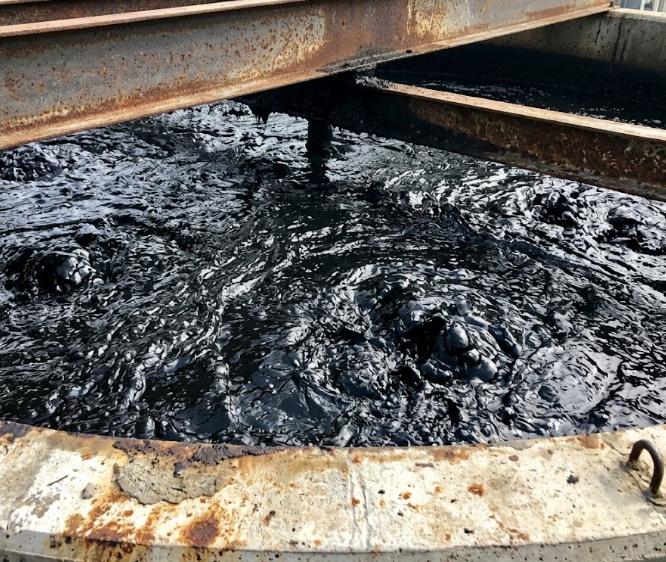
The moisture, sludge and solid impurities in the waste oil are common reasons for the lower than expected recovery rate.
For instance, a 1000-kilogram batch of waste oil may contain a large amount of water, dirt, metal particles, carbon deposits and sludge. These substances increase the weight of the raw material but cannot be converted into valuable oil products.
Therefore, a 90% recovery rate does not mean that 900 kilograms of high-quality base oil can be obtained from every 1000 kilograms of waste oil.
High water content will increase the heating requirements and affect the stability of the distillation process. Excessive sludge and solid impurities will increase the residue volume and reduce the recoverable oil content.
Therefore, filtration and dehydration before distillation are crucial for maintaining a stable and efficient recovery process.
Different Waste Oils Produce Different Yields
Another important factor is the composition of the waste oil. Different types of waste oil contain varying amounts of recyclable hydrocarbon substances. Even within the same factory, different processing results may be obtained for relatively clean waste engine oil, severely contaminated industrial oil, and mixed waste oil.
During the use of lubricants, they may be contaminated by the following substances:
- Water and dirt
- Fuel
- Metal particles
- Oxidation products
- Additive residues
- Oil sludge and carbon deposits
As the degree of contamination increases, the proportion of recyclable oil usually decreases. Therefore, when the same waste oil recycling plant processes different raw materials, the actual output may vary significantly.
Therefore, the expected output should be evaluated based on the actual waste oil situation of the customer, rather than only referring to the standard recovery rate specified by the equipment.
The Process Determines How Much Oil You Can Actually Recover
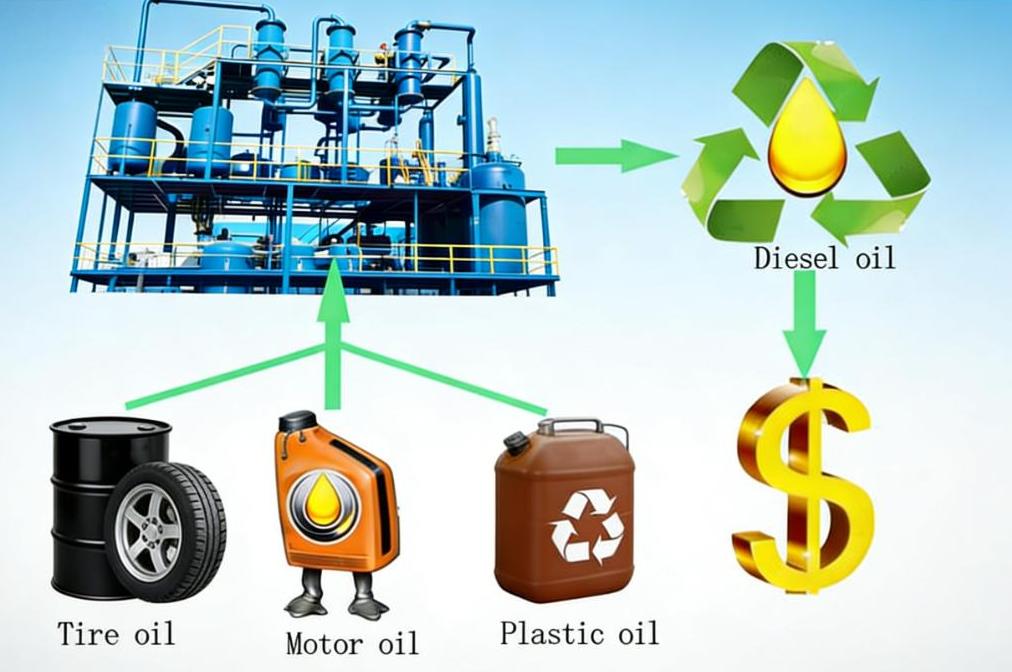
Even if the raw materials are suitable, the process configuration will have a significant impact on the actual recovery rate.
Waste oil recovery is not simply heating the oil and collecting the steam; it requires controlling evaporation, distillation, fractionation, condensation, and residue removal, among other steps.
- Temperature control
If the operating temperature is too low, some valuable oil fractions may not be effectively separated; if it is too high, it may increase thermal degradation and coke formation.
Therefore, stable and reasonable temperature control is more important than simply increasing the temperature.
- Vacuum distillation
In the re-refining process of waste engine oil, vacuum distillation can separate oil fractions at lower effective boiling points, thereby reducing thermal stress and improving the separation efficiency of useful oil components.
- Condensation and fraction separation
Unsuccessfully condensed and collected oil vapor will cause product loss. Therefore, the condenser, vacuum system, distillation tower, and fraction collection system all affect the final recovery rate.
In other words, when evaluating a waste oil recovery plant, attention should be paid to the complete process system, rather than just the heating capacity or reactor size.
So, What Is a Realistic Waste Oil Recycling Yield?
There is no uniform recovery rate applicable to all waste oils. The expected recovery rate mainly depends on three factors:
Raw materials + process technology + target product
For example, the calculation method for recovery rates varies when producing base oil from waste engine oil versus diesel from waste oil. The total liquid recovery rate cannot be confused with the recovery rate of high-quality products.
Therefore, when comparing different waste oil recovery plants, one should first determine what the stated recovery rate specifically represents:
- Total liquid recovery rate?
- Base oil recovery rate?
- Diesel recovery rate?
- Laboratory test results?
- Actual commercial operation results?
Compared to a single advertising percentage, a detailed material balance based on the actual raw materials of the customer can better reflect the true recovery rate.
How to Improve Your Actual Waste Oil Recycling Yield
If one wants to increase the actual recovery rate of waste oil, it should start with the raw materials rather than focusing only on the equipment capacity.
- Firstly, test the waste oil. Basic indicators such as moisture, sludge, impurities, viscosity, etc. are helpful in determining the appropriate recovery process.
- Secondly, select the matching process. Waste engine oil used for producing base oil may require different process configurations from waste oil used for producing diesel.
- Thirdly, design the factory based on the actual raw materials. Reasonably configuring filtration, dehydration, distillation, vacuum, condensation and separation systems can reduce material losses and improve the overall recovery rate.
Instead of asking the supplier, “What is the highest recovery rate of your equipment?“, it would be better to ask:
“How much recovery rate can your machine achieve when processing my type of waste oil?“
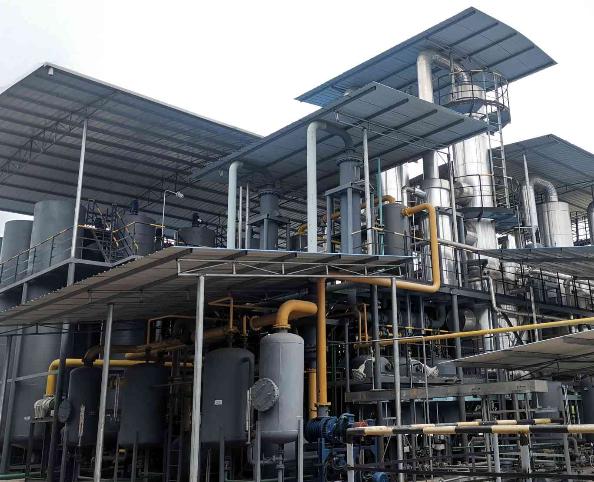
Want to Know the Expected Yield of Your Waste Oil?
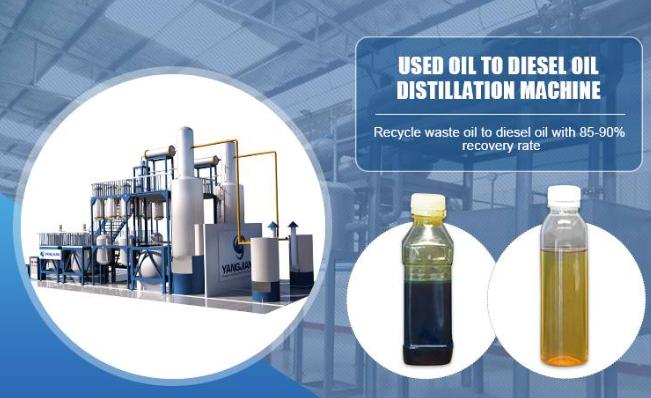
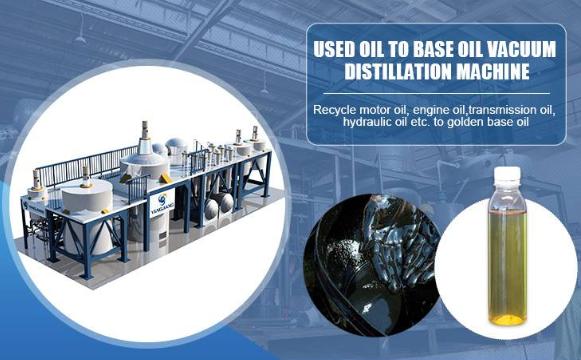
YANGJIANG offers waste oil recovery solutions tailored to different raw materials, target products, and processing capabilities, including systems for converting used engine oil into base oil and for converting waste oil into diesel.
If you are planning a waste oil recovery project, please provide the type of waste oil, the expected moisture content or oil sludge content, and the required processing capacity, so as to determine more realistic recovery goals and suitable factory configurations.
Please contact our team to discuss your waste oil recovery project. We will select the appropriate process plan based on your raw materials.