
Mechanical Automation Engineer
Every car owner may encounter the same problem: the engine oil has reached the end of its service life. Maybe the oil looks dark and thick, or the engine is running unevenly, or the maintenance indicator light on the dashboard is on. At this point, the problem becomes clear: what should I do if the oil can no longer be used?
Correctly handling used engine oil is not complicated, but it is very important. The correct method of disposal can protect your engine, keep the vehicle running smoothly, and also avoid expensive repairs in the future.
How to Determine if the Engine Oil Needs to Be Replaced?
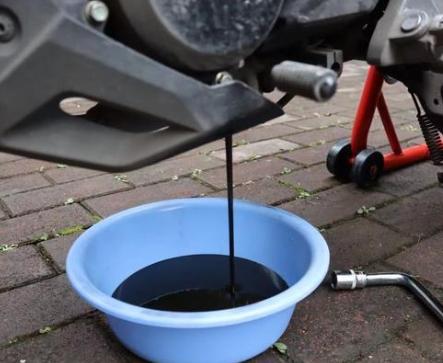
The engine oil is not suitable for permanent use. Over time, high temperatures, friction, and dirt will reduce its performance, resulting in a decrease in its ability to protect the engine. Usually, you will notice some signs that require action. For example, it may look very black, feel thick, or even have a burnt smell. Or, your engine may run more unevenly and produce louder noises than usual. Modern cars usually give warnings when the engine oil has expired.
Old engine oil cannot effectively lubricate the engine, causing metal parts to rub against each other, generating heat, wear, and the accumulation of sludge. If not dealt with in time, it may cause serious damage to the engine.
Properly Dispose of Used Engine Oil
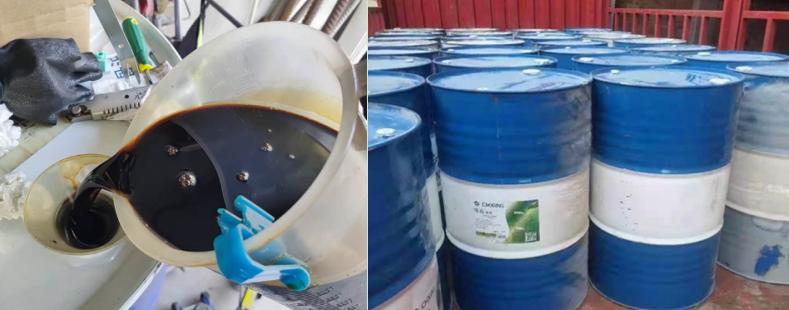
Once it is determined that the engine oil is no longer usable, the first step is to drain it out. Simply adding new oil on top of the old oil will not solve the problem; it will only dilute the old oil. The engine needs clean oil to function properly.
If you are confident in your ability to change the engine oil, please drain the old oil into a clean and sealed container. Avoid mixing it with other liquids (such as coolant or brake fluid), as this will increase the difficulty of recycling the used engine oil. If you don’t want to do it yourself, any repair shop can quickly and safely complete this task for you.
The key point is quite simple: Completely remove the old oil so that the new oil can function properly.
Don’t Forget to Replace the Engine Oil Filter
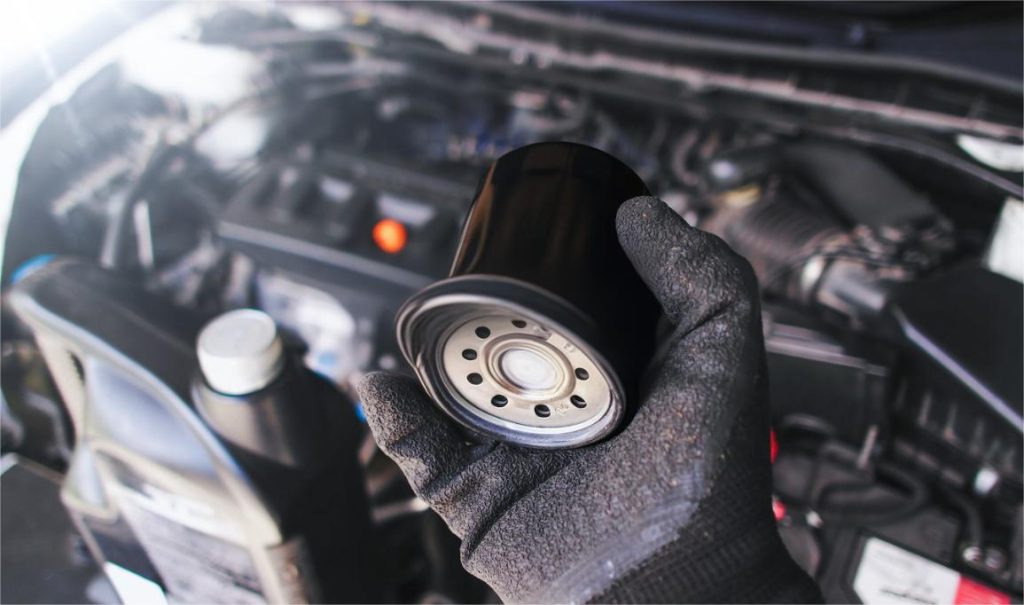
Usually, many people tend to overlook this step, but the oil filter is just as important as the oil itself.
The filter can remove dust, metal particles, and sludge, preventing them from circulating within the engine. If you leave the old filter in the engine, these contaminants will eventually enter the new oil, thus losing the purpose of changing the oil. Changing the oil along with the filter replacement can keep the engine clean and provide protection.
How to Safely Dispose of Used Engine Oil?
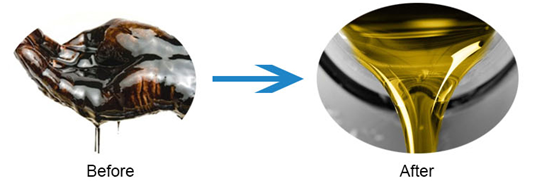
Used engine oil cannot be simply poured down the drain or thrown into the trash – it is harmful to the environment and is also illegal to dump it randomly in most areas. But the good news is that it is usually quite simple to find a place to dispose of it.
Most auto repair shops and service stations accept used engine oil, and many local recycling centers also offer this service. Sending used engine oil to these places ensures that it is properly recycled. The refined engine oil can be turned into new lubricants and even used for energy recovery, meaning that your used engine oil will not be wasted but will instead be able to serve again.
Another convenient option is to have a professional oil change service company handle the used engine oil for you. Many repair shops offer recycling services, so you don’t have to worry about transporting the used engine oil yourself. No matter which method you choose, being more careful when handling used engine oil can both protect the environment and ensure your legal rights.
If you are a repair shop or an engine oil recycling center, you must know where these engine oils go next – the used engine oil recycling plant.
Refilling With the Right Oil
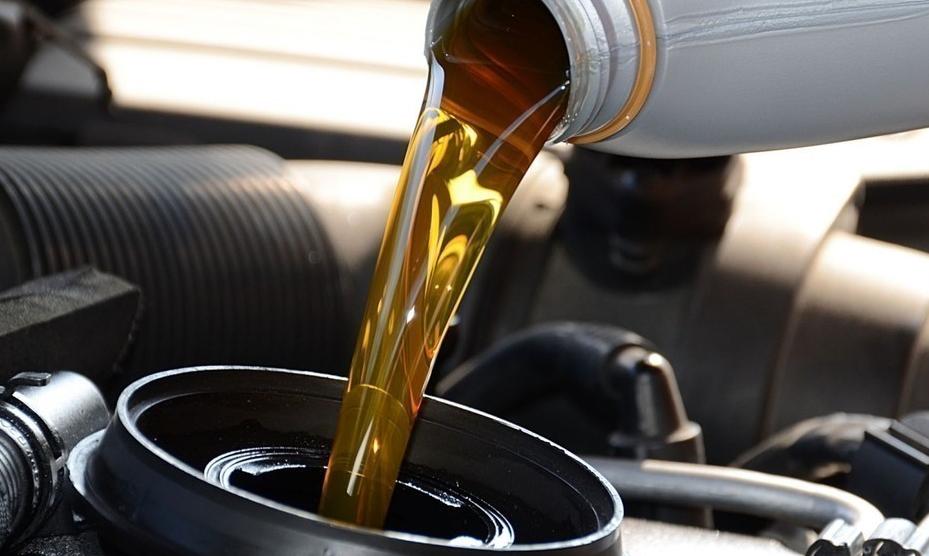
After the old engine oil has been drained and the oil filter replaced, it’s time to add new engine oil. Use the correct type and viscosity of oil recommended by the car manufacturer. The right oil not only keeps the engine running smoothly but also reduces the wear of internal components and even improves fuel efficiency. After the correct oil replacement, you can almost immediately feel that the engine runs quieter and responds more sensitively.
Prevention is Also Crucial
The best way to prevent engine oil from deteriorating is to take preventive measures.
Replacing engine oil regularly as recommended by the manufacturer is the easiest way to keep the engine in good condition. Your driving habits and the environment also need to be considered. Frequent stops and starts in traffic, extreme temperatures, and heavy trailer loads can all shorten the life of the engine oil. Therefore, active maintenance is necessary. Proper engine oil maintenance can prevent problems before they occur and protect your engine.
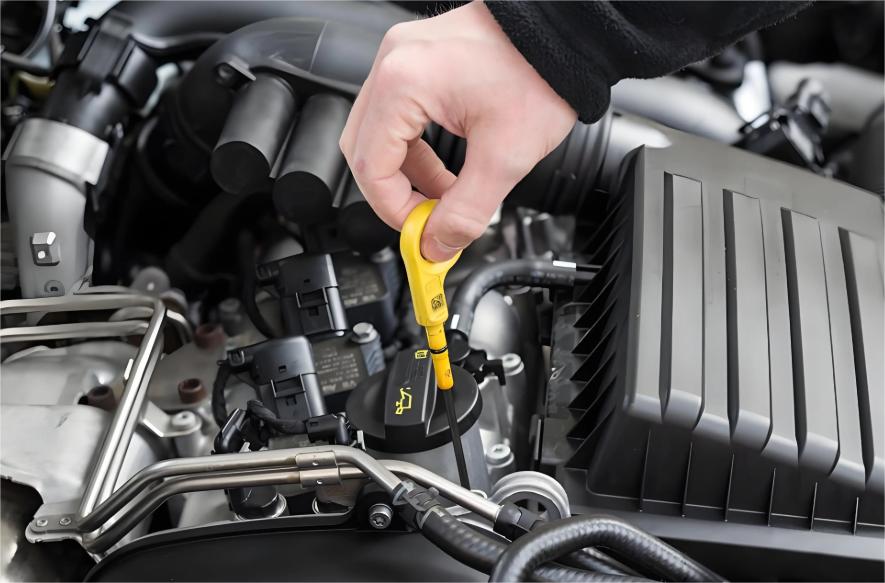
So, what should you do if the engine oil can’t be used anymore?
Stop driving on it, drain it completely, replace the filter, dispose of the oil responsibly, and refill with the correct fresh oil.
Doing this not only protects your engine but also improves performance, efficiency, and reliability.
Recommended Products