
Mechanical Automation Engineer
Waste oil is a routine product generated in the manufacturing, metalworking, power generation, and heavy equipment operations. Used lubricants, hydraulic oils, cutting fluids, and gear oils are routinely generated on factory floors.
Waste oil being so common, it is usually treated with indifference. But in reality, the improper disposal of industrial waste oil is very dangerous and can easily lead to environmental destruction, safety breaches, and financial loss for the enterprise. It’s as simple as it is usually the little shortcut—wrongfully disposing waste oil by dumping, burning, or just storing it anywhere ill–that ends up placing irreversible damage in the long run, which would all be too expensive and complicated to be redressed.
What Is Considered Improper Disposal of Industrial Waste Oil?
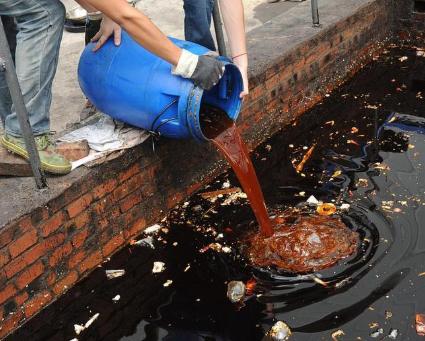
Improper disposal involves any process of handling, storage, or disposal allowing the waste oil to escape control or bypass proper treatment channels. In most cases, no ill intentions are involved; practices are clumsy or ill-managed.
Good examples of improper disposal include:
- Emptying the waste oil into drains, soil, or water systems
Groundwater becomes contaminated at least; this adds to the public wastewater system.
- Mixing with other industrial waste or all-purpose waste
Merging the same waste oil with solvent or sludge solid waste reduces the possibility of safe treatment and recycling, and may very likely violate an environmental law, as well.
- Improper burning of waste oil without the right authorization or equipment
The burning of waste oil pollutes toxic gases and is also a violation of all air-quality laws.
- Use of unauthorized waste oil collectors or transporters
Legal responsibility for improper disposal of contracts goes back to the generators when this waste is transferred by an unlicensed generator.
- Improper site storage practices
This includes open containers, damaged drums, missing labels, or storage areas without spill protection.
Improper disposal is not necessarily an illegal act but includes lost accountability, control, or adherence to the procedure of disposing of waste oil. Often, businesses are targeted by the law even though the disposal service is outsourced.
Environmental Risks of Improper Disposal of Waste Oil
When improperly disposed of, industrial waste oil poses huge environmental hazards, as used oil is chemically and physically resistant to natural breakdown. Instead of evaporating or dissolving, waste oil persists in the environment and then spreads over time; even minute releases may be harmful.
Soil and Groundwater Contamination
Industrial waste oil is loaded with heavy metals, toxic additives, and chemical residues. Once it is dumped or leaks onto the ground, it can seep into soil and groundwater. Once groundwater is poisoned, cleanup becomes tremendously complicated and expensive, usually lasting years.
A single liter of waste oil is able to pollute an enormous volume of water and render it unfit for human and agricultural purposes.
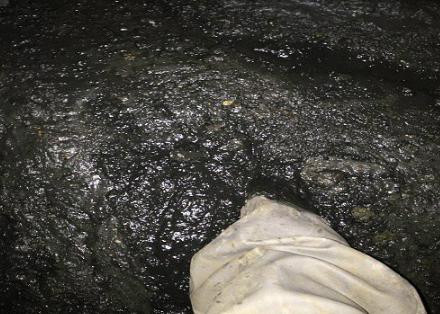
Water Pollution
Inadequate disposal allows for waste oil to pass through storm sewers, rivers, and sewage systems. Oil is not easily absorbed in water and instead spreads rapidly, forming sparse films, which harm aquatic life by reducing the oxygen levels.
This form of pollution is highly visible and subsequently quickly regulated.
Air Pollution from Unlawful Burning
The improper incineration of industrial waste oil through inappropriate equipment gives off a range of toxic fumes, including those rich in heavy metals and carcinogens. These releases can cause poor sanitation and, hence, be harmful to workers and/or communities near them.

Health and Safety Hazards in the Workplace
Improper handling and disposal of industrial waste oil could easily translate to a workplace safety issue. If waste oil is allowed to exist outside of controlled boundaries, daily operations and employee well-being are directly at stake due to hazards.
Common workplace risks include:
- Fire or explosion hazards happen when flammable waste oil is stored close to heat sources or in open containers.
- Slips and falls occur from oil leakages, overfilled drums, or poorly managed storage spaces.
- Skin contact and exposure risks are common because workers have to come into direct contact with waste oil without adequate protective gear.
- Up until now, maybe, but the risk of further damage becomes raised when oil spreads to the sites of work.
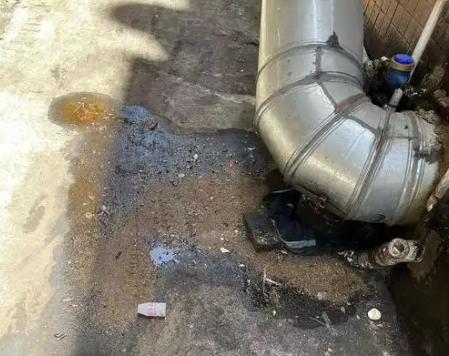
the realm of immediate physical safety concerns, improper waste management presents liability concerns for the enterprise. Anybody getting hurt during lightning strikes influenced by oil spills or large fires is the first person who can result in inspections, profit reduction claims, insurance, and increased regulatory surveillance. Properly handling industrial waste oils is both environmentally responsible and a necessary part of running a safe and compliant business.
Hidden Financial Costs of Improper Waste Oil Disposal
Wrong disposal of waste industrial oil might seem to reduce costs, but it can turn into a very expensive proposition later.
Environmental restoration is the most expensive financial consequence since waste oil has been spilled. Once oil has seeped into the soil, drainage system, or groundwater, and is detected, the costs are very competitive. Would involve specialized contractors and long-term monitoring, very expensive and soon far above the ‘nominal’ cost of disposal.
Other tiers of expense would be regulatory fines. Penalties for unauthorized dumping or storage that is not satisfactory can be quite severe; repeated violations may invite a more intense inspection or course of action on the part of the polluter. Legal costs, along with increased administrative time, also mount once enforcement agencies get involved.
The third and not last, financial problems have a very negative presence, where such disruptions in production, forced temporary shutdowns, increased insurance premiums, and injuries to your business reputation can all affect your profitability.
In many cases, the potential costs of improper disposal of waste oil could far exceed the expenses for proper and recycling disposal right from the beginning.
Proper Disposal and Recycling of Industrial Waste Oil
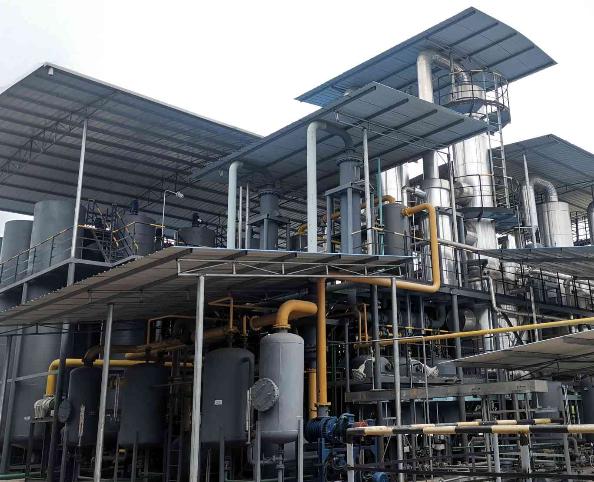
The disposal of industrial waste oil calls for organized and controlled applications. A mere draining of the site does minimal cleaning up. The businesses should develop set procedures that fulfill the regulatory requirements while reducing the environmental risks.
The basic constituents of proper disposal of waste oil in industries include the following:
- Accumulation of waste oil in neatly labeled, properly sealed containers
- Measures to keep waste oil isolated from other liquid and solid industrial wastes
- The elimination of leakages, overfill, and long-term exposure to open environments
- Proper training for employees in the proper handling procedures, or an emergency spill-gusher campaign.
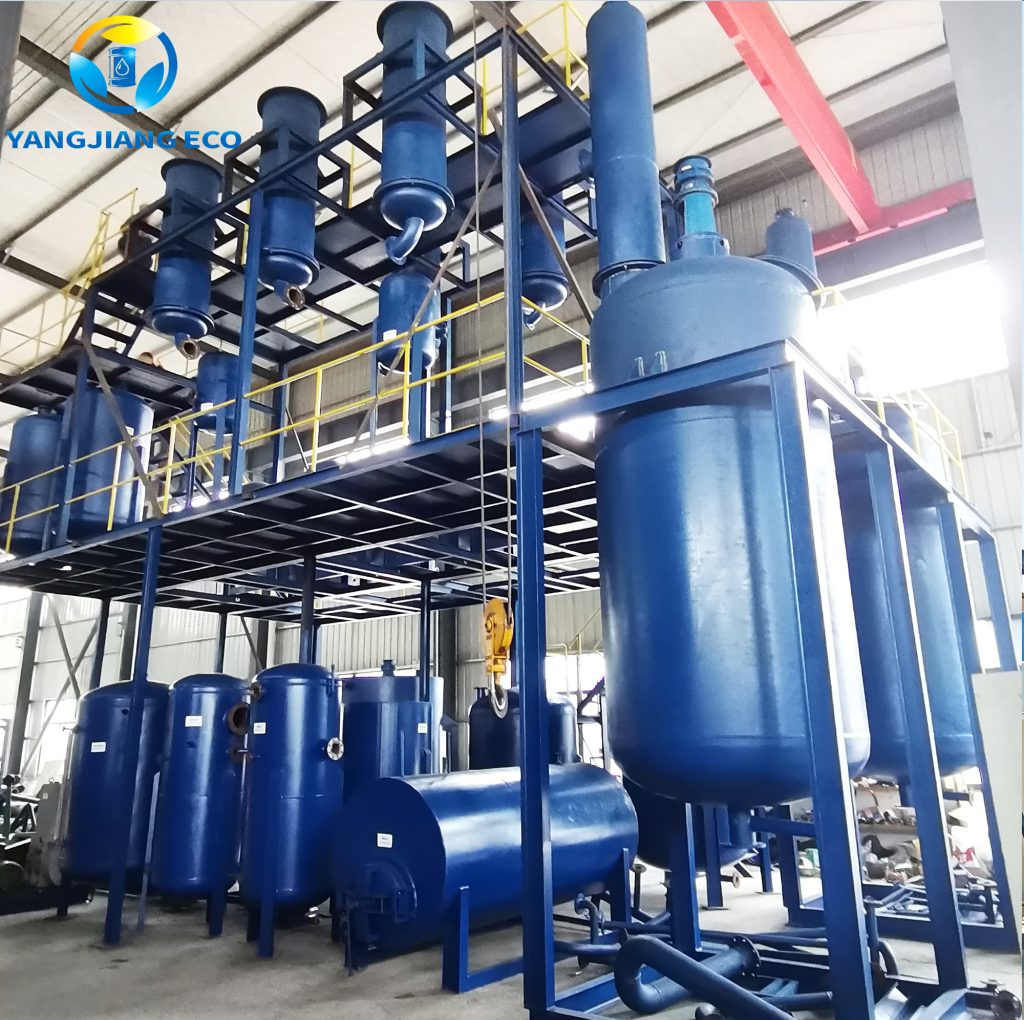
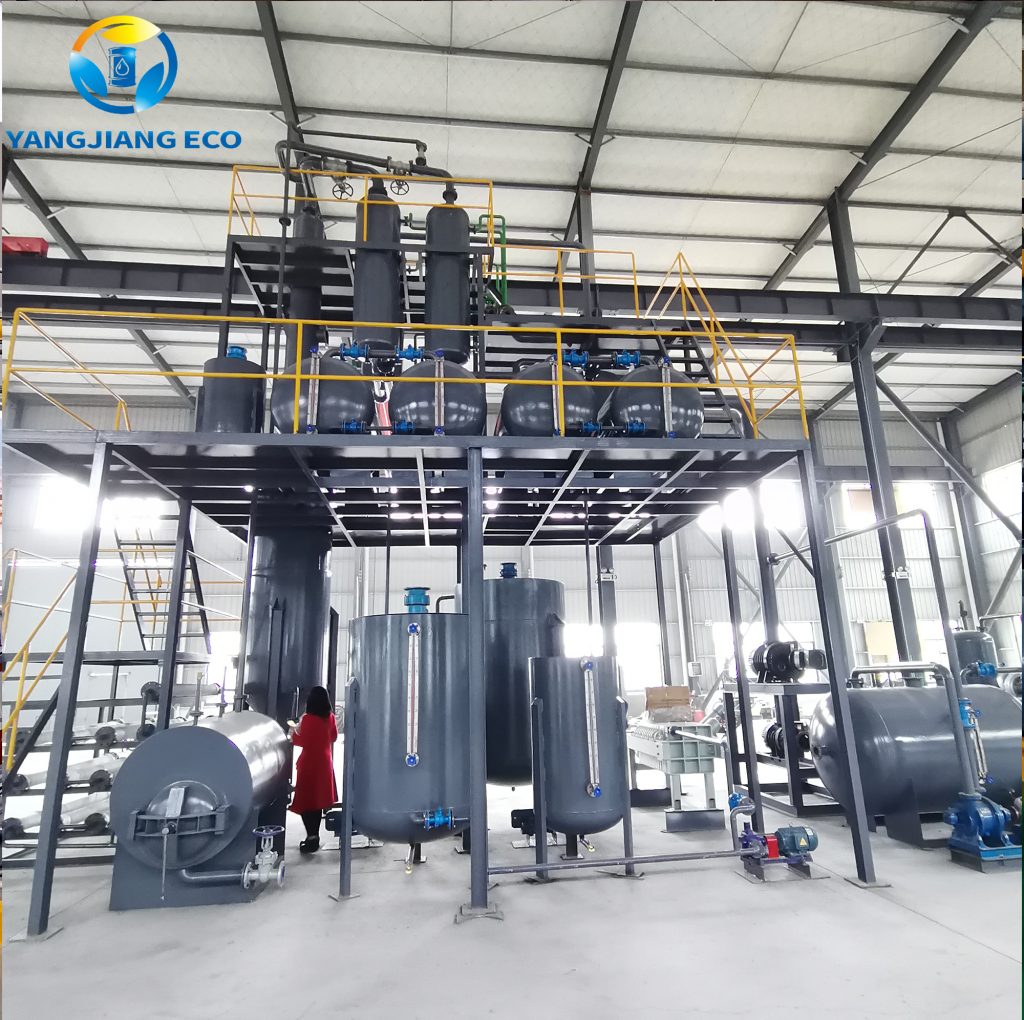
In addition to proper handling, recycling is the most effective solution devised for managing industrial waste oil. In the process, a good point is established in the form of a waste oil recycling machine. These machines are structured to recover used oil for re-use after specifically removing water, heavy fuel oil, and solid contaminants by either filtration, separation, or thermal treatment.
Proper disposal and recycling protect the environment, reduce safety risks, and help businesses control long-term costs. With the right procedures—and the right waste oil recycling machine in place—industrial waste oil can be managed as part of a reliable and compliant system rather than an ongoing risk.
Recommended Products