
Mechanical Automation Engineer
Installing waste oil recycling plant is a long-term investment that requires careful planning before purchasing the equipment. Many investors only focus on the equipment itself, but a successful recovery project also depends on many factors, such as factory capacity, installation location, energy supply, raw material preparation, and product targets.
Comprehensive preparations before installation can help reduce unexpected costs, avoid operational problems, and ensure that the waste oil recovery equipment operates efficiently after startup.
This article will introduce the key factors that need to be prepared before installing the waste oil recovery equipment.
Determine Your Waste Oil Recycling Plant Capacity
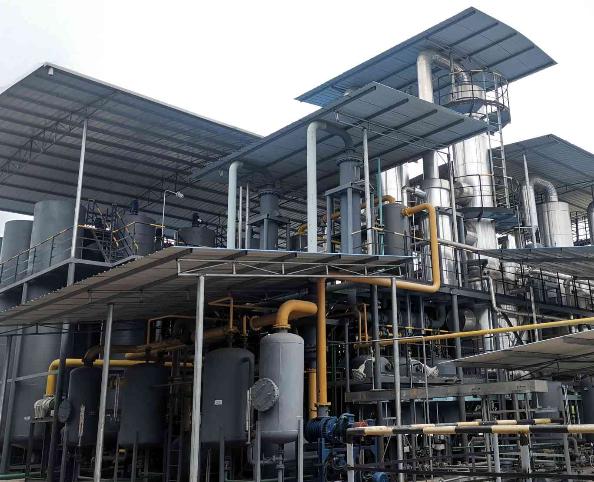
First and foremost, the first step is to determine the processing capacity of the waste oil recycling plant that suits you.
This mainly depends on your current supply of waste oil and your business plan. Before choosing the equipment, you should consider the following points:
How much waste oil can be collected every day?
Is the supply of raw materials stable?
What is your estimate for the future production volume?
This step is very important because a factory that is too small may not be able to meet your production requirements, while a factory that is too large may increase investment and operational costs.
A professional waste oil recycling plant manufacturer can assist you in evaluating the raw materials and recommend the appropriate processing capacity of the plants based on your project requirements.
Prepare a Suitable Installation Site
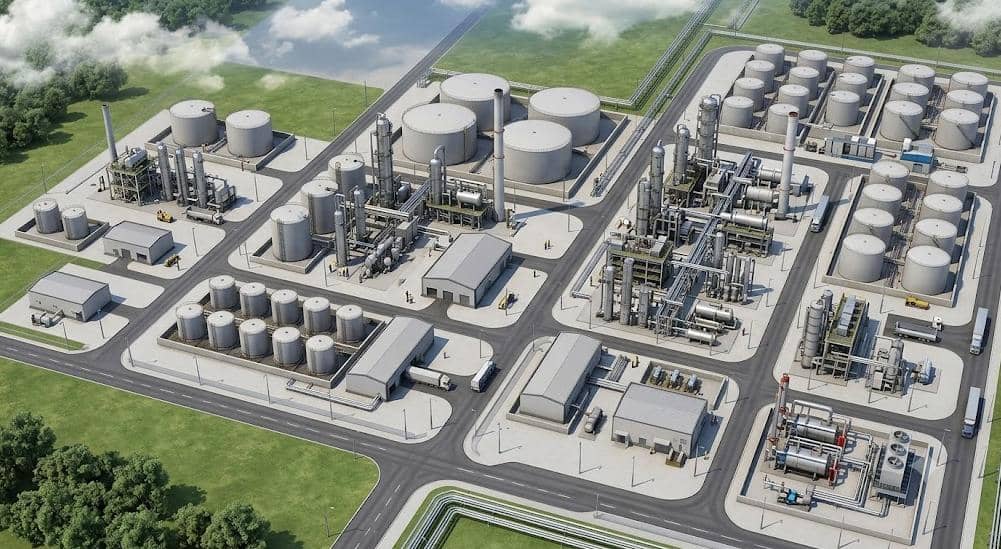
The installation site should have a reasonable layout of space and necessary infrastructure. The following areas should be given priority planning:
- Equipment and tank area: Equipped with the main recovery equipment, waste oil storage tanks and finished oil storage tanks;
- Operations and Logistics: Reserve a maintenance passage for equipment to ensure smooth transportation of waste oil in and finished products out.
In addition, a solid concrete foundation for the equipment needs to be constructed at the site to ensure the safety of long-term operation.
Check Electricity and Energy Requirements
The waste oil recovery equipment requires a stable energy supply in order to operate normally.
Before installation, you should verify the availability of the following items:
- Electricity supply
- Heat energy supply
- Supporting facilities
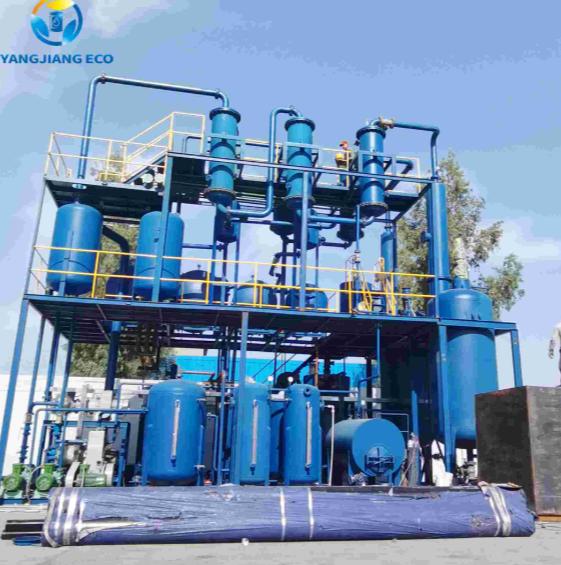
Different recycling technologies may have different energy requirements. For instance, recycling plants using vacuum distillation technology need reliable heating systems, pumps, vacuum equipment and control systems.
Understanding the energy demands in advance helps investors prepare the necessary supporting facilities, thus avoiding delays after the equipment is delivered.
Prepare Waste Oil Storage and Pretreatment Area
The quality of waste oil directly affects the recovery efficiency and the final product quality.
Before entering the recycling process, waste oil usually needs to be properly stored and pre-treated. The preparation area should be equipped with suitable facilities for collecting and managing waste oil. A good storage system helps prevent leaks, separate water, and ensure a stable supply of raw materials.
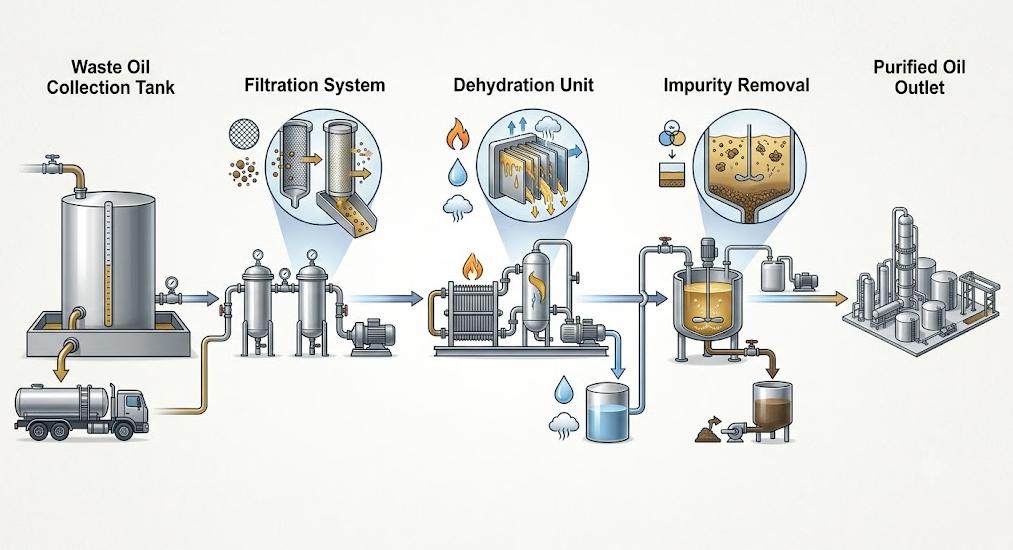
Waste oil may contain water, dirt, metal particles, carbon deposits and other impurities. Therefore, before refining, it is usually necessary to undergo pre-treatment such as filtration and dehydration.
Appropriate pre-treatment can protect the recycling equipment, enhance the processing efficiency, and contribute to obtaining higher-quality recycled oil products.
Decide the Final Product Before Choosing Equipment
Before choosing an oil recycling factory, you should also determine the final target product.
Different production goals require different technical and equipment configurations.
For instance, if the goal is to produce recycled base oil, the factory usually needs advanced refining processes to remove impurities and improve the quality of the oil; if the goal is to produce fuel products such as diesel or fuel oil, the process design and equipment requirements may vary.
Understanding the target product in advance can help you make a choice:
- Appropriate recycling technology
- Suitable equipment configuration
- More practical investment plan
A clear product strategy is a crucial step in building an efficient and profitable waste oil recycling project.
Regulations, Total Investment and Manufacturer Support
Before you launch the waste oil recycling project, you should also consider local regulations, the total investment amount, and the technical support provided by the equipment manufacturers.
1. Understand Local Environmental Requirements
Waste oil recycling involves the treatment of industrial waste materials, so local environmental requirements should be taken into account before installation.
Understand the relevant requirements, including:
- Waste oil disposal regulations
- Environmental approval procedures
- Emission standards
- Waste disposal requirements
The regulations vary from country to country and region to region. Understanding these requirements in advance can help avoid project delays and ensure smooth operation after installation.
Prepare a Complete Project Budget
The cost of equipment is only a part of the total investment.
The complete project budget should also include costs for equipment transportation, installation, site preparation, connection of public facilities, maintenance expenses, and spare parts requirements. A comprehensive investment cost plan helps investors determine the appropriate scale of the factory and avoid unexpected expenditures during the project development process.
Partner with an Experienced Waste Oil Recycling Plant Manufacturer
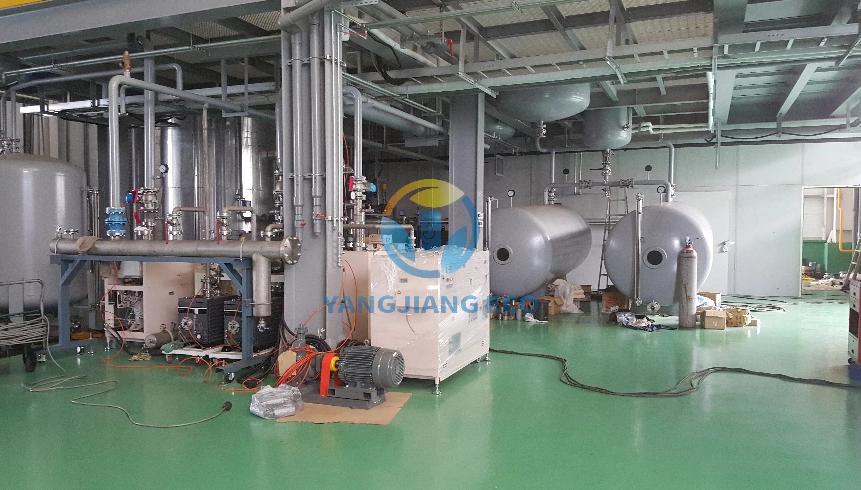
Selecting the right manufacturer is another crucial preparatory task.
An experienced manufacturer of waste oil recovery equipment not only provides the equipment, but should also be able to offer a complete solution based on your waste oil characteristics, production goals, and local conditions.
You can assess these factors:
- Technical experience in waste oil recycling projects
- Customized equipment solutions
- Installation guidance
- After-sales service
- Spare parts support
Reliable manufacturers can assist in optimizing the entire project process from equipment selection to factory operation, and enhance the long-term stability of the recycling system.
Final
Making adequate preparations before installing the waste oil recycling plant is a crucial step in successfully establishing the recycling project.
Before making a decision, one should carefully assess the factory’s production capacity, installation conditions, energy requirements, waste oil treatment, final product goals, relevant regulations, and total investment amount.
With its professional experience in waste oil recycling solutions, YANGJIANG offers reliable waste oil recycling plant solutions, including equipment selection, process design, installation guidance, and technical support.
By collaborating with experienced partners, you can reduce project risks and build an efficient waste oil recycling system, thereby achieving long-term business growth.