

Mechanical Automation Engineer
In the production of various types of fuels and lubricants, the processes at petroleum refineries are quite important. At the same time, many hazardous waste materials are produced as a result of these processes, which may lead to serious negative consequences if they are not adequately managed. Waste materials produced in petroleum oil refineries include such materials as oil sludge, waste lubricating oil, spent acid, oily wastewater, and catalyst residues.
However, these byproducts contain a high percentage of hydrocarbons, which makes their recovery possible using innovative technology. The emergence of new-generation waste oil refineries allows turning waste oils into useful materials such as fuel and base oil.
Main Waste Products from Oil Refineries
There are various forms of waste materials formed when the process of oil refining takes place.
Oil Sludge
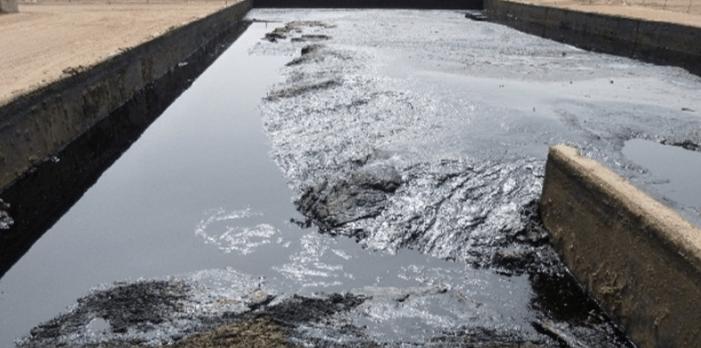
Oil sludge is perhaps the most prevalent form of waste material that can be found in any refinery process. This form of waste material is a semi-liquid substance consisting of oil, water, sediments, and even heavy metals. Oil sludge tends to be formed in storage tanks, separators, and in wastewater treatment facilities.
This form of waste is regarded as hazardous due to its toxic nature as well as its ability to pollute soil and groundwater. Nevertheless, sludge still contains considerable amounts of oil, which can be recovered using waste oil refining technology.
Waste Lubricating Oil
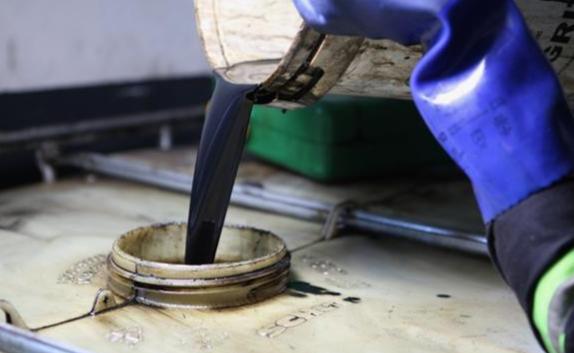
Waste lubricating oil is produced due to the consumption of lubricants by industry machines, transportation, and equipment. Waste lubricating oil is composed of worn-out additives, metal, carbonaceous particles, and oxidized compounds.
Used lubricating oil is among the most profitable refining wastes since it can be refined again to produce quality base oil. Instead of incineration and dumping, waste oil refining plants reuse waste engine oil to produce new usable lubricating oils or diesel fuel.
Such an approach will not only help to reduce waste but also decrease dependence on virgin crude oil.
Spent Acid & Acid Sludge
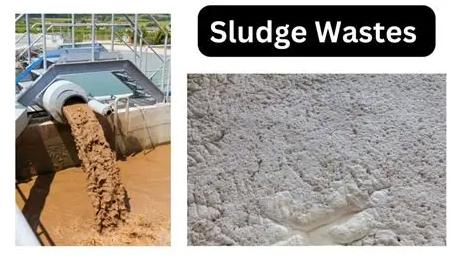
In several refining processes, sulfuric acid is utilized to purify the products. After its use, the acid gets contaminated to form spent acid or acid sludge.
The acid sludge consists of hydrocarbon compounds, sulfur compounds, and acidic components, thus posing serious hazards. Its improper disposal may lead to serious environmental pollution and corrosion.
Modern waste treatment methods can neutralize the acid waste as well as recover some oil fractions from the acid sludge.
Wastewater & Oily Wastewater
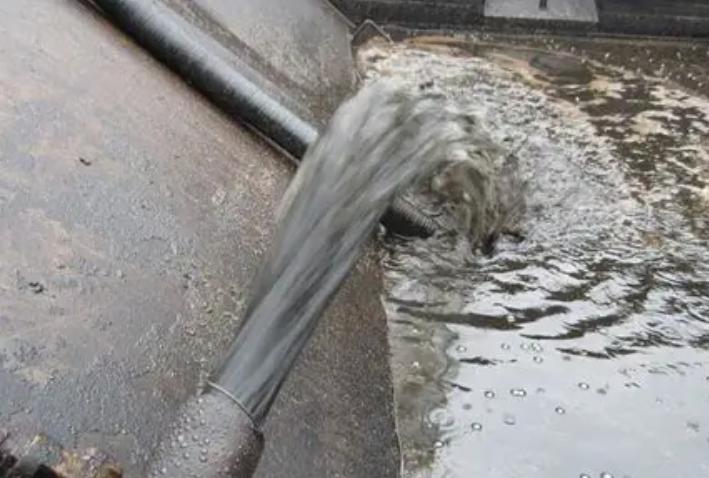
Water use in the refining process is substantial. The production of wastewater, which is polluted with oils, greases, chemicals, and solid materials, follows from there.
An oily wastewater is a serious problem since unprocessed wastewater can contaminate rivers and underground waters. Some of the oil can be recycled and put back to the process of waste oil refining.
Wastewater treatment plays an essential role in sustainable operations of the refinery.
Waste Clay and Catalyst Residues
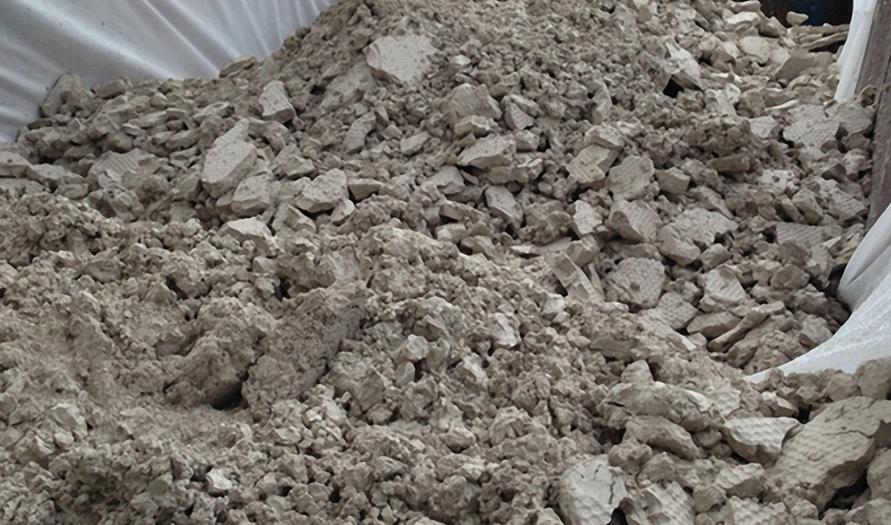
In the process of refining oil, bleaching clay and catalysts are utilized for purification purposes. They are consumed with repeated use and have to be changed eventually.
Spent clay often retains oil inside, whereas catalyst residues consist of toxic substances such as heavy metals. Special treatment is needed for such wastes; however, sometimes residual oil can be extracted from them.
The extraction of oil from waste clay helps make a refinery more profitable.
Why Is Refinery Waste Recycling Important?
The importance of recycling refinery waste is that it will help decrease environmental pollution and increase the utilization of resources. The wastes like sludge, waste oil, and wastewater generated by the oil refinery contain hazardous chemicals that can be extremely dangerous for the soil and water system when discharged without any recycling process.
In addition to it, there are still some useful compounds contained in them, particularly the hydrocarbons that can be utilized again for energy purposes. Recycling assists industries in moving towards the concept of circular economy.
Some advantages of recycling refinery waste are:
- Decreasing environmental pollution and hazardous waste disposal
- Recycling of valuable oils from waste products
- Cost reduction in the manufacturing process through recycling
- Regulatory compliance
Conclusively, recycling refinery wastes is not only environmentally sound but also economically profitable.
How Does a Waste Oil Refinery Work?
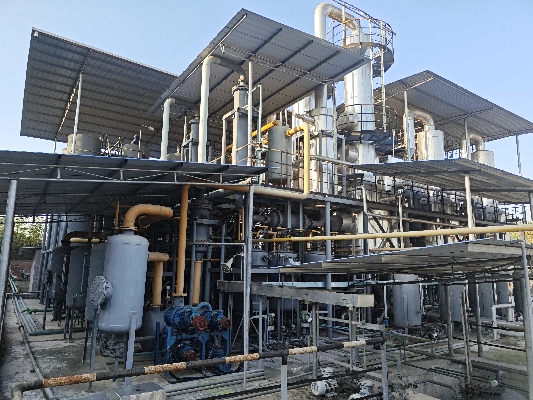
This oil recycling plant is a facility meant for processing used oil in order to produce reusable products using different stages.
- In the first stage, collection and pretreatment are done. Here, the oil is collected from different sources and purified by getting rid of water, impurities, and solid content.
- Secondly, there is distillation, where the oil is distilled depending on its boiling points under controlled temperatures. It forms the main stage of waste oil refining.
- Thereafter, the oil goes through catalyst processing or purification, where it gets rid of sulfur and odors.
- At last, the refined oil is recovered and collected for use.
If equipped with the necessary technology, businesses can easily get a good oil recovery rate.
What Can Be Produced from Waste Oil Refining?
Waste oil refining can produce several valuable end products.
Base Oil
Re-refined base oil is one of the most profitable products. It can be reused for manufacturing lubricants.
Diesel Fuel
Some waste oils can be converted into diesel for industrial boilers, generators, and machinery.
Fuel Oil
Lower-grade fuel oil can be used for heating and industrial combustion.
Asphalt & Residue Oil
Heavy residues can be converted into asphalt products.
Carbon Residue
Some refining methods will lead to carbon residue that is utilized for industrial purposes.
The diversity of the products makes waste oil refining a very profitable venture.
Final
The petroleum refinery produces various forms of waste products such as sludge, used lubricating oil, acid sludge, oil-contaminated water, and used catalysts. Although these wastes can create environmental hazards, they carry resources that can be recovered.
Using modern technologies to refine waste oils, the resulting waste can be converted into valuable products such as base oil, diesel fuel, and fuel oil. In addition to reducing pollution, this technology can provide additional income for companies.