

Mechanical Automation Engineer
When it comes to installing or upgrading an existing plant for lubricant blending, it requires much more consideration than simply selecting a tank that holds sufficient volume. It is during the mixing process that the actual production will be determined by the performance of the selected equipment. Failure on the part of such machines may result in numerous problems in production, like incomplete dissolution of the additives, separation of finished oil upon storage, or failure of certain batches to satisfy the viscosity requirements based on lab analysis.
The perfect lube oil blending machine should be able to perform three functions simultaneously, namely heating of the oil, proper blending of heavy polymers into the light base oil, and complete draining to avoid cross-contamination of successive batches.
If you plan to upgrade your current manual workshop or integrate a blending machine in a large re-refining plant setup, it is important not only to consider cost factors but also the engineering specifications. Listed below are the technical considerations you have to take note of.
Heating Method and Temperature Control Precision
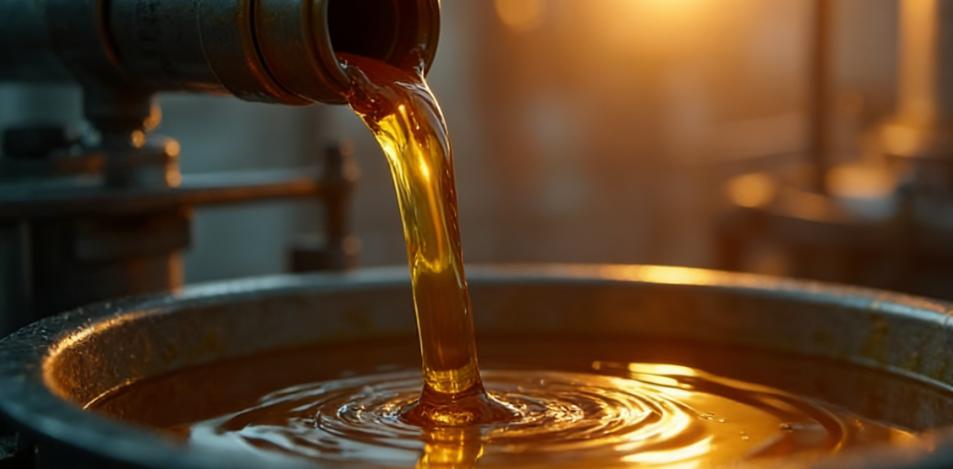
Base oil has to be heated at about 50°–80°C before blending additives such as viscosity index improvers, anti-wear additives, and detergents into lubricants. Any form of uneven heating or occurrence of hot spots within the heating chamber leads to the deterioration of the batch.
When assessing specifications of equipment, consider the following:
- Source of Heat: Check if the equipment uses Electric Heating, Thermal Oil Jackets (Indirect Heating), or Heating Coils (Steam). In cases where you have small and moderate-scale factories, the thermal oil jackets help avoid heating spots since the heat is distributed uniformly without affecting the product negatively.
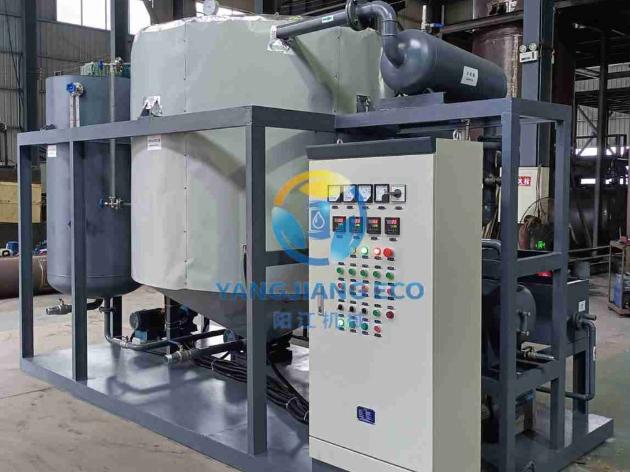
- Insulation Material: Good-quality blending equipment comes with a double wall design and has a thick insulation material made from either rock wool or polyurethane. This specification prevents heat loss, shortens batch cycle times, and directly reduces factory electricity consumption.
- Temperature Control: Check whether heavy-duty thermocouples are mounted on the lower third of the vessel to ensure reliable temperature measurement even during partial batches.
Agitation and Mixing Technology
The basic function of a lubricant oil blender is to ensure molecular uniformity among base oils of different densities, incorporating concentrated chemical additives. Failure to blend properly will cause the oil to split during storage or fail to meet viscosity standards.
Take note of these mechanical details:
- Agitation System: It should consist of a variety of mixing processes. While the ordinary paddle/anchor agitator is designed for moving the fluid, the high-viscosity polymers require the use of a blender/mixer with multiple layers of impellers.
- Variable Frequency Drive (VFD): It is extremely energy-inefficient to use a fixed-speed motor. A VFD must be provided for the machine, so the operators can change the revolutions per minute (RPMs) of the process depending on the fluid dynamics of the particular batch that is being blended (high RPM for additives into heavy gear oils, low RPM for light hydraulic oil).
- Baffles: It is imperative to incorporate wall baffles inside the tank to disintegrate the vortex caused by the agitator so that rotation changes into axial turnover for uniform mixing.
Material of Construction (MoC) and Durability
The lubricant additives have chemically active substances such as sulfur, phosphorus, and zinc that may cause mild corrosion when blended at high temperatures. Moreover, the material making the tanks should be able to resist mechanical wear caused by the stirring mechanism torque.
- Materials Used for Wetted Parts: The material used for all wetted parts of the machine should be made of high-grade stainless steel material, for example, [Specify material, e.g., SUS304 / SUS316L]. It should not contain carbon steel because it corrodes due to moisture in the environment, thus contaminating the oil product with iron particles.
- Thickness of Tank Walls: An appropriate thickness of the inner tank walls should be provided to handle the weight and vibrations created during the blending process.
Control System and Automation Level
Today’s lubricating oils manufacturing requires precision; a small difference in ratios of the additives leads to non-conformity and waste or re-blending.
Based on the labor conditions in your manufacturing facility, pick the right automation specifications:
- Control Interface: Your equipment should be controlled by an industrial [control type, i.e., Siemens PLC, Smart Control Panel], complete with the graphical HMI screen.
- Pre-setting Recipes: State-of-the-art blending machines enable pre-setting particular recipes based on temperature, mixing time, and the agitator speed required for a certain grade of the oil.
- Safety Interlocks: The technical specification will have to contain safety interlocks such as an over-temperature alarm, automatic de-energizing of heaters in case of liquid level falling below the heating area, as well as an emergency stop button.
Cleanability and Cross-Contamination Prevention
The majority of blending facilities do not produce one type of oil; rather, they alternate between engine oils, hydraulic fluids, and gear oils using the same tank. Residual oil from the previous batch can serve as contamination in another batch and affect the product chemistry.
Consider the following when considering specifications for fast turnarounds:
- Bottom Discharge Shape: The bottom of the blending unit must have a steep cone shape or an adequately dished bottom. Flat bottoms retain residual oils and are undesirable for multi-grade blending facilities. The valve for draining oil must be installed at the very bottom to enable 100 percent drainage.
- Cleaning Facilities: If the tank is cleaned manually, make sure there is quick-opening access through the top opening. In automated cleaning units, look for CIP (cleaning in place) rotary sprayers.
Making the Right Investment for Your Lubricant Blending Plant
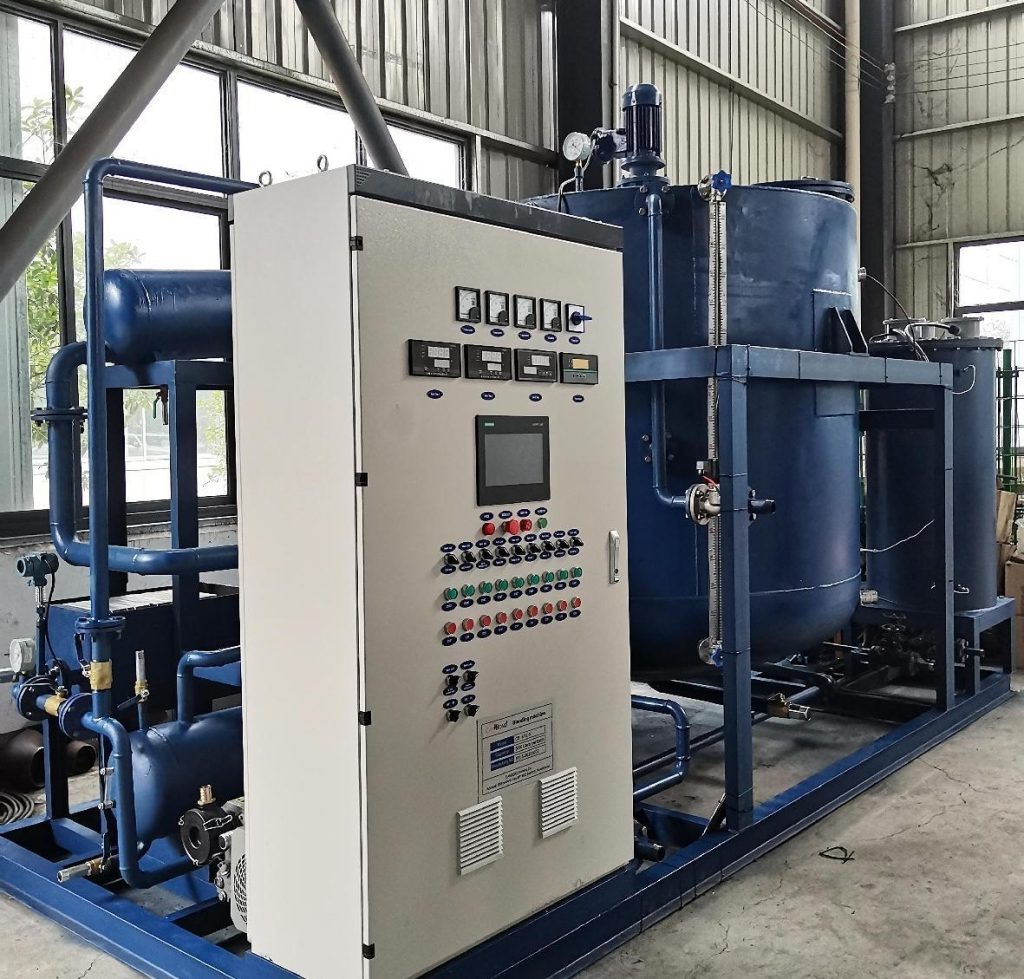
Choosing the right lubricant blending machine requires striking a balance between structural durability and precise process control. Focus on material composition, thermal management, and efficient mixing to ensure your plant can consistently produce high-performance lubricants.
As a proven industrial lubricant blending plant manufacturer, we are committed to designing durable, efficient blending equipment to meet the demands of continuous industrial production. To view our proven equipment blueprints, power ratings, and customization options, please visit our official lubricant blending equipment catalog or contact our engineering team directly for formal technical consultation.