
Mechanical Automation Engineer
One of the fast-growing problems today in industry and manufacturing is waste oil management. From car workshops to large factories, every day, tens of litres of waste oil are accumulated that will cause serious environmental and financial problems if not managed appropriately. Turning this waste into a valuable resource is an increasingly practical solution.
From this paper, learn how waste oil to diesel fuel conversion works, if it is safe and legal, and how you can go about choosing the right waste oil to diesel fuel machine for your business.
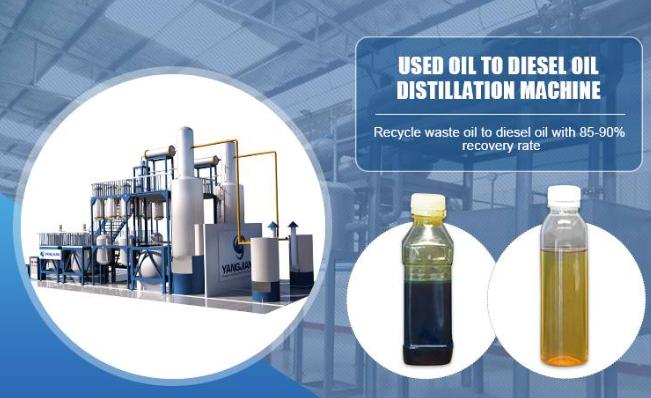
Why Businesses Need to Convert Waste Oil to Diesel Fuel?
Industrial operations, garages, and manufacturing facilities generate large volumes of used oil yearly, including engine oil, hydraulic oil, and lubricants.
It also serves a very practical and sustainable cause by converting waste oil into diesel fuel. These machines take what would otherwise be hazardous waste generated by the business and turn it into a valuable energy source, reducing waste disposal costs while decreasing dependency on traditional diesel fuel.
Other than the pure economic benefits, recycling waste oil into diesel contributes to environmental sustainability and corporate responsibility goals. Companies that apply this practice will be able to reduce their carbon footprint, adhere to environmental regulations, and show their commitment to green causes.
Is the Waste Oil to Diesel Fuel Conversion Process Safe?
Businesses prioritise safety when considering the conversion of waste oil into diesel fuel. Handling fuel and potentially contaminated oil is always a safety concern. Having the necessary fuel waste processing equipment is crucial. With the right fuel waste processing equipment, the conversion of waste oil into diesel fuel is as safe as any other industrial process.
Among other factors, the following increase the safety of the oil conversion process:
- Automated control of the conversion process: Most modern waste oil processing machines maintain temperature and pressure at a set point. This controls overheating and reduces the chances of a fire. This also ensures that fuel quality is homogeneous.
- Removal of impurities that affect fuel quality: Fuel contaminants, such as water, sludge, metal particles, and acids, are removed before and during processing. Effective fuel dewatering and filtration systems prevent corrosion and damage to equipment. Effective fuel filtration systems are also necessary if safe fuel quality is to be achieved.

- Explosion-Proof and Enclosed Systems: High-quality waste oil to diesel fuel equipment have fully enclosed reaction chambers and explosion-proof electrical devices that mitigate threats related to any kind of vapour or any kind of ignition.
- Residue Management: By-products and remaining sludge are collected and processed in an environmentally friendly manner that meets disposal requirements.
- Operator Safety Protocols: Trained operators, PPE, and established standard operating procedures mitigate risks to an extent that allows for safe non-sterile handling from input to output.
In practice, it is the companies that have certified machinery and documentation of following regulated processes that are able to convert waste oil into diesel fuel safely and without compromising the sanctity of their workplace. A good mixture of tailored engineering, automated controls, and thorough training make the process safe and economically reasonable.
Is Waste Oil to Diesel Fuel Legal in Your Country or Region?
A lot of business owners ponder: “Is it legal to turn my used oil into diesel fuel?” Yes, but only if you know the laws in your area and have the right tools.
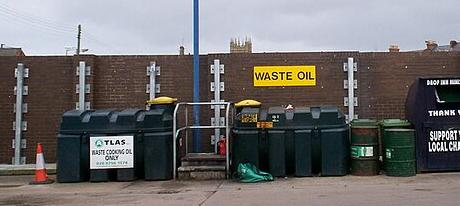
There is no free rein of the law regarding the conversion of waste oil to diesel fuel; there are regulations in place to keep the environment and public safe and healthy, and also to keep the workers safe.
- An example of this is in the United States, where only facilities holding an appropriate licence are allowed to process used oil, and each waste oil to diesel fuel machine must be EPA-compliant. Trying to operate an uncertified system can result in heavy fines and may lead to an involuntary shutdown.
- In Europe, the regulations are more stringent. There are Directives in place that control emissions, the composition of the fuel, and the type of equipment that can be used. If you want to legally produce diesel fuel to be used in the industry, you must have a certified waste oil-to-diesel fuel machine, which is operated by qualified personnel.
- Countries in Southeast Asia, such as Singapore, Malaysia, and Indonesia, also require permits not just for the treatment of the waste oil, but also for the machines themselves. These include fuel quality testing, residue handling and documentation, and inspected procedures. If a company fails to fully realise these compliance steps, it risks being penalised and facing environmental liability.
The main takeaway is that turning waste oil into diesel fuel with compliance is completely doable, but only if it is done responsibly. Investing in certified equipment and keeping thorough documentation will not only shield your business and your good standing from liability, but will also defend your company against any environmental losses.
How to Choose a Legal and Safe Waste Oil to Diesel Fuel Machine?
If your company is going to consider investing in a waste oil to diesel fuel machine, understand the value and importance of equipment that is going to be safe, compliant, and of good quality. Let’s go over the five most important factors to consider regarding a circular sales and investment machine:
- Certification and Regulatory Compliance
Make sure that the machine is certified for your country or region. Only waste oil to diesel fuel machines that comply with fuel production environmental and safety regulations can be utilised in legally permitted industrial applications. The use of machines with no certification can result in a fine and/or a legally liable shutdown of your operation.
- How Good Is the Diesel and Reliability
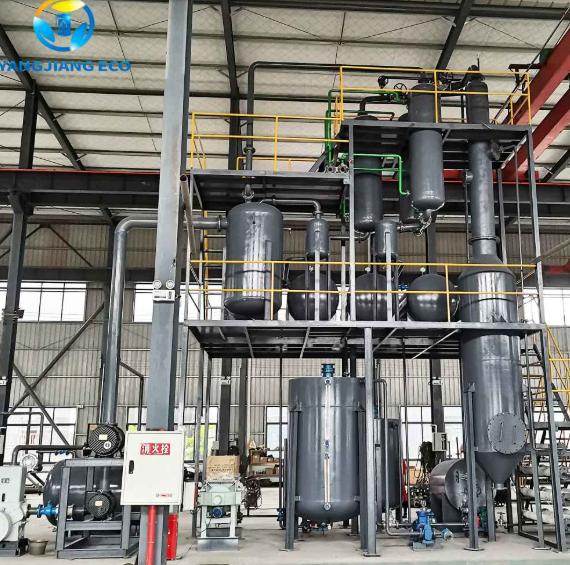
Not every machine produces the same quality and quantity of diesel fuel. Find a brand or make of machine that meets your consistency output target. Look for machines that have filtration and dewatering systems that remove water and sludge and burnable impurities so that they can deliver quality and stable fuel for boilers and generators or industrial engines.
- Safety Features
Always being safe is very important. When dealing with hot, burning, and harmful waste oil, a trustworthy fuel diesel oil waste oil machine must contain automatic controls for temperature and pressure, along with explosion-proof electrical parts and emergency shutoff mechanisms. Enclosed reaction chambers and adequate ventilation minimise fire and vapour risks.
- Operator Support and Training
The most advanced machines are always safe when they have good operators. Use a manufacturer who offers installation support, operator training, instructional manuals, and continuous technical assistance. Well-educated workers can enhance safety and efficiency and ensure compliance.
- Handling Residuals and Environmental Protection
The process of conversion generates by-products such as water and sludge. A responsible waste oil to diesel fuel machine will have systems for safe residue collection, storage, and disposal, ensuring your business does not harm the environment and does not operate illegally.
Your machine selection isn’t solely about the expected sufficiency for the task. It is about legality, safety, and the overall business worth expected for the years to come. Focusing your attention on these five aspects ensures that your investment in a waste oil to diesel fuel machine provides dependable fuel and safety for the business, and complies with the pillars of sustainability.
Summary
Converting waste oil to diesel fuel is a strategic choice for businesses looking to reduce energy costs, minimize environmental impact, and comply with sustainability initiatives. With modern waste oil to diesel fuel machines, companies can safely transform used lubricants into a stable, usable fuel source while meeting local regulations.
- Waste oil conversion is environmentally responsible and economically beneficial.
- Safety is guaranteed when using certified machines with proper operating procedures.
- Compliance with local laws is mandatory; proper permits and documentation are essential.
- Choosing the right machine ensures legal operation, high-quality fuel, and operational efficiency.
For businesses generating significant volumes of used oil, investing in a certified waste oil to diesel fuel machine is not just a legal requirement but also a long-term business advantage, aligning cost savings with environmental responsibility.、
Recommended Products