
Mechanical Automation Engineer
Have you used engine oil piling up? Are you considering the expenses involved in hauling it away? Are you aware that storing used oil comes with its own set of risks? Dumping used oil is a punishable offense. There is high potential for disaster, yet the used oil is simply a waste of problems. But what if it wasn’t a problem? What if there were opportunities instead?
We are talking about more than a simple eco upgrade. We are talking about the potential of turning a cost center into an asset. The waste oil recycling machine is about turning your used oil obligations into an actual useful product or oil that can be sold. It’s an unequivocal business decision that cuts costs, reduces regulatory burdens, and puts you back in control of your waste stream. Your used oil is now an asset rather than an obligation
Let us detail why intelligent operators are ceasing haul away and beginning to recycle oil on site.
Why Businesses Need a Waste Oil Recycling Machine for Engine Oil Treatment?
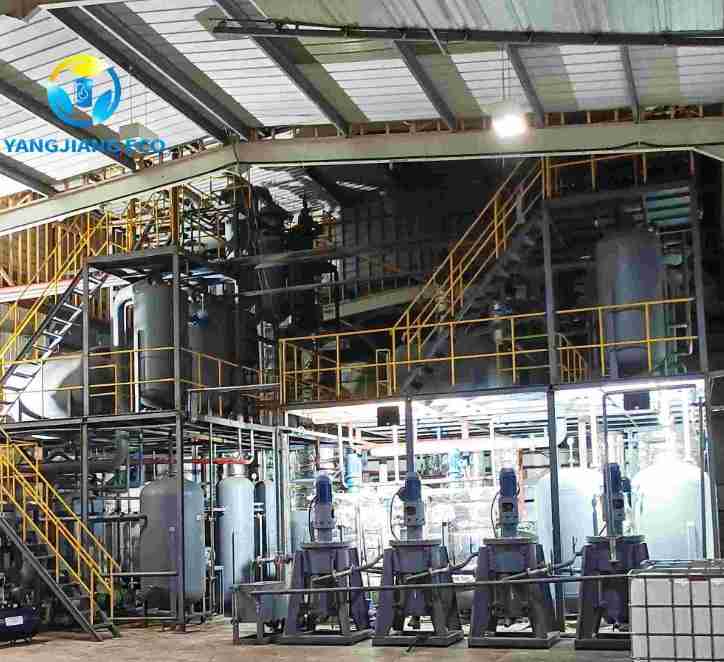
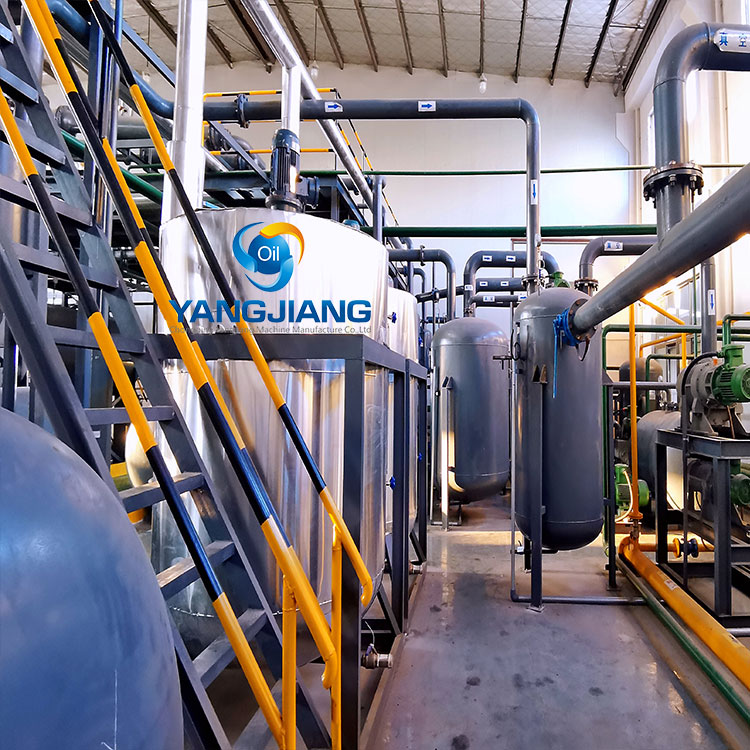
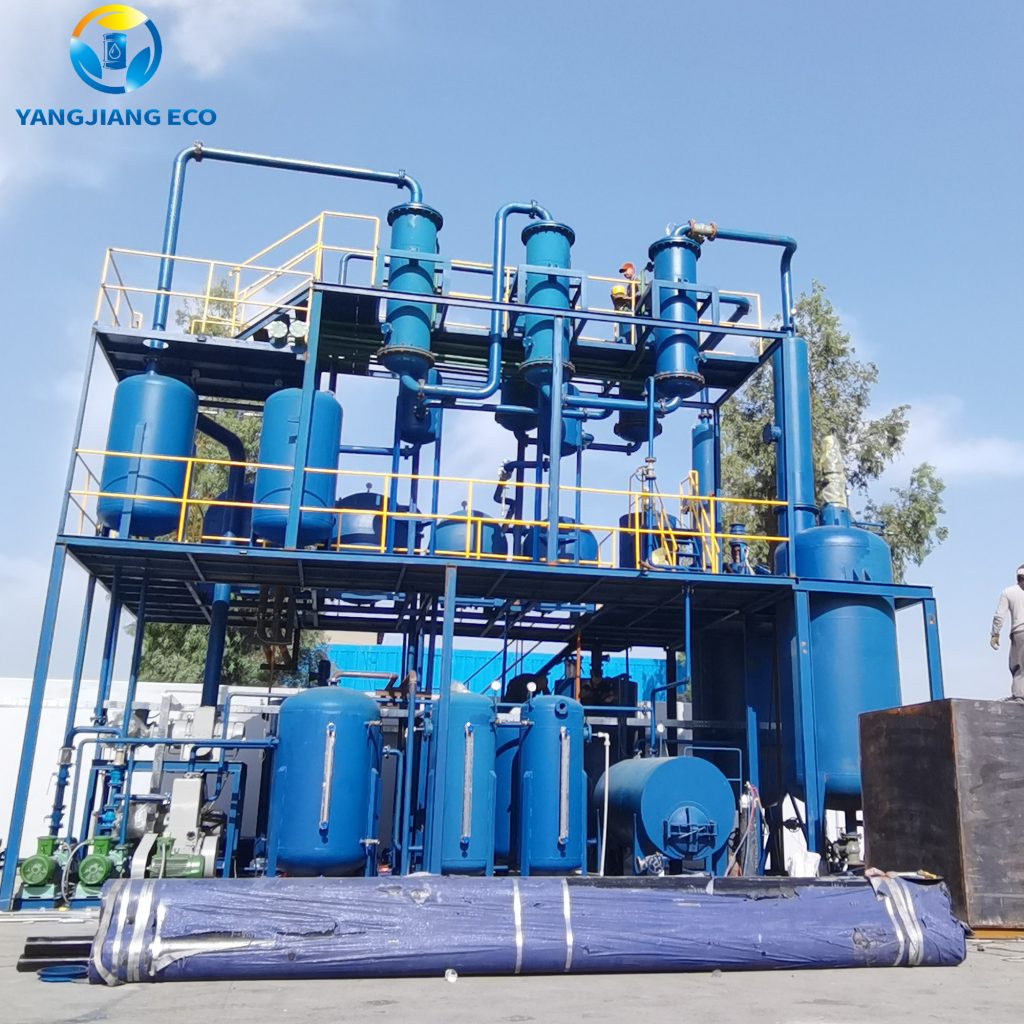
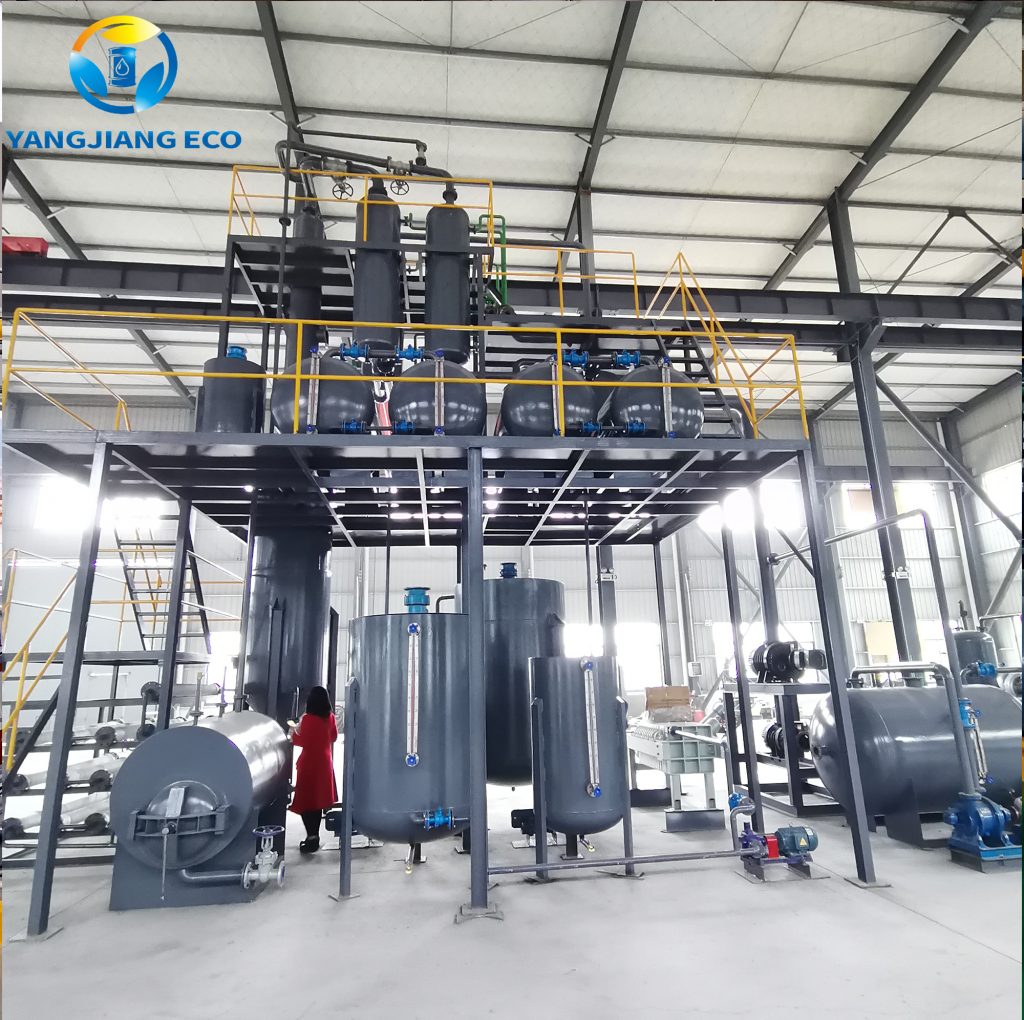
Out of all the kinds of oil, used engine oil is the most common in the industrial world and is also one of the most valuable oils, depending on how it is treated. Used engine oil is often considered hazardous waste and thrown away; however, it can be transformed, using modern re-refining technologies, into high-quality base oil and fuel. More and more recycling plants, fleets, workshops, and refineries are now using waste oil recycling machines, as it is a controlled, effective, and environmentally friendly way of getting value out of used oil.
Benefits of Using a Waste Oil Recycling Machine for Used Engine Oil
The main benefit of having a waste oil recycling machine is getting the ability to drastically change how you operate with waste in your daily routine.
- The first benefit is having self-sufficiency. No need to make any emergency calls to waste removal firms or be bothered with their delays. This is an in-house service, and you can control the timing. You can make waste management a routine.
- The second benefit is having the ability to recover more value from your site. That oil is a waste, and then it is potential. The machine has available oil, and you are able to remove your own costs for fuel or lubricant, and you create a closed loop of more control.
- The final benefit is having the ability to withstand increased regulation. That oil is a waste, and it is a hazard, but now there is no need to be exposed to the costs and restrictions of traditional waste removal. You can remove a significant amount of waste and simplify the processes you control regulatory compliance.
How Waste Oil Recycling Machines Improve Profitability for Recycling Businesses?
In the business of recycling and waste management, adding waste oil recycling machines is the key to gaining more profitability and adding integrated processing to your collection service. Installing waste oil recycling machines and adding feedstock processing to your model transforms your business from simply collecting a bulk commodity to selling numerous high-value end products. Control the entire transformation process and reap the rewards of the entire process yourself.

- By capturing the entire end-to-end process, having certified your collection service that is on-site, processed, and verified, you can compete and stop underbidding on recycling hauling fees. Competing on engine oil is a race to the bottom. Free yourself from undercutting to compete on hauling fees.
- Using the recycling and waste management processes that have integrated processing capabilities, your business can provide more premium, high-margin, and environmentally friendly solutions. Providing dedicated recycling management for waste oil can give your business the necessary high-performing contracts and build your business’s positive PR.
- Diversity to Protect Your Money-Making Ability. A strong machine can process several different fluids at once. This can permit you to process a wider variety of feedstock without turning customers away. This diversifies and makes your operation less vulnerable to market changes within your waste stream and opens your business to new customers.
In any case, these changes create a stronger and more scalable operation. You remain less exposed to loss from outside processors and commodity goods, and bring in a more consistent, high-profit processing core that turns your collection network into a direct path to more profit.
Applications of Waste Oil Recycling Machines in Different Industries
Modern waste oil recycling machines are not limited to garages or recycling plants because of their versatility. Transforming waste into oil enables these machines to be used in various industries where there are remote operations or where there is significant compliance to regulations regarding waste oils.
- Transportation & Large Fleets
Used engine oil recycling systems are a necessity in bus depots, trucking companies, and railway maintenance hubs. These sites produce large volumes of waste oil on a routine basis. On-site oil recycling reduces waste discharge costs, and the recycled oil can be used to heat the facility, creating a closed-loop energy solution.
- Heavy Industry & Manufacturing
All manufacturing plants and industries that utilize heavy equipment, turbines, or hydraulic systems are in continuous need of lubrication and produce continuous waste. Their operations can, without any interruptions, integrate oil recycling machines into the regular maintenance workflows, and with recycling compliance ensured with the strictest industrial environmental regulations. On-site fuel for the boilers or furnaces is of significant value, and for the industries also increases energy independence.
- Marine & Port Operations
This industry has particular issues revolving around the strict environmental regulations and the cost of offshore waste logistics. Recycling units that are mobile or skid-mounted are perfect for installing at the dock. Ships will be able to discharge and recycle waste oil while docked. This satisfies the requirements of international maritime law while turning a logistical issue into a simple and profitable waste recovery system.
- Agriculture & Remote Mining
These sectors are regularly positioned at great distances from the waste disposal facilities. There are high costs and extreme problems associated with the long-distance transportation of hazardous waste. Close to the site operation, a rugged oil recycling unit will allow the waste oil that is generated from farm and mining equipment to be processed and reused on site as either fuel for equipment or as a heating oil. This greatly improves operational efficiency in remote locations.
There is no doubt that a waste oil recycling unit presents a viable and profitable opportunity for resource recovery wherever engines are in operation and oil is being used.
What to Look for When Choosing a Waste Oil Recycling Machine?
Picking out equipment isn’t as easy as it seems. Here are a couple of things you should consider so you get the best quality equipment and use it to the best of its ability.
- How Much Oil do You Have, and what Equipment? You really need to determine how much used engine oil you have in a given week, so that you can get a waste oil recycling machine that can take in that much oil that you have and can process the type of oil you have and the contaminants that come with it.
- What Kind of Equipment is it? You should examine what the core equipment of the whole process is. You want to know if it is something that will have high-value products or if the products are going to be a waste. You should ask to get equipment that has a reputable and verifiable track record of producing what you are expecting and to have a consistent quality output of it.
- Competent people with integrity will complete safety systems and construction. Make no compromises on construction. Prioritize complete safety features. Automated controls and explosion-proof parts, and complete emergency shutdown systems. A trustworthy machine will be able to work safely and be used for many years. It will be built to last.
Final
In the end, the operational independence and predictable costs as well as the sustainable growth provided by the addition of the waste oil recycling machine, will make this equipment purchase decision quite advantageous. It will allow you to transform an ongoing liability and exposed business risk into a controlled asset that pays you value. It will defend your business from increasing costs and regulations on waste disposal.
Are you ready to turn your used oil into a valuable, reliable resource? For a consultation to assist us in refining our understanding of the optimal system for your operation, please reach out to us. Let’s build your solution.
Recommended Products